Smart Climbing Wearable Device
A Wearable System to Support Beginner Climbers
July 2025 - October | Role: Product Designer
Smart Climbing Wearable Device is an interactive prototype designed to enhance climbing experiences through real-time feedback and embodied interaction. By integrating wearable sensors with physical movement, the project explores how data, risk, and bodily awareness intersect in climbing scenarios.
Why Now? - The Rising Climbing Trend
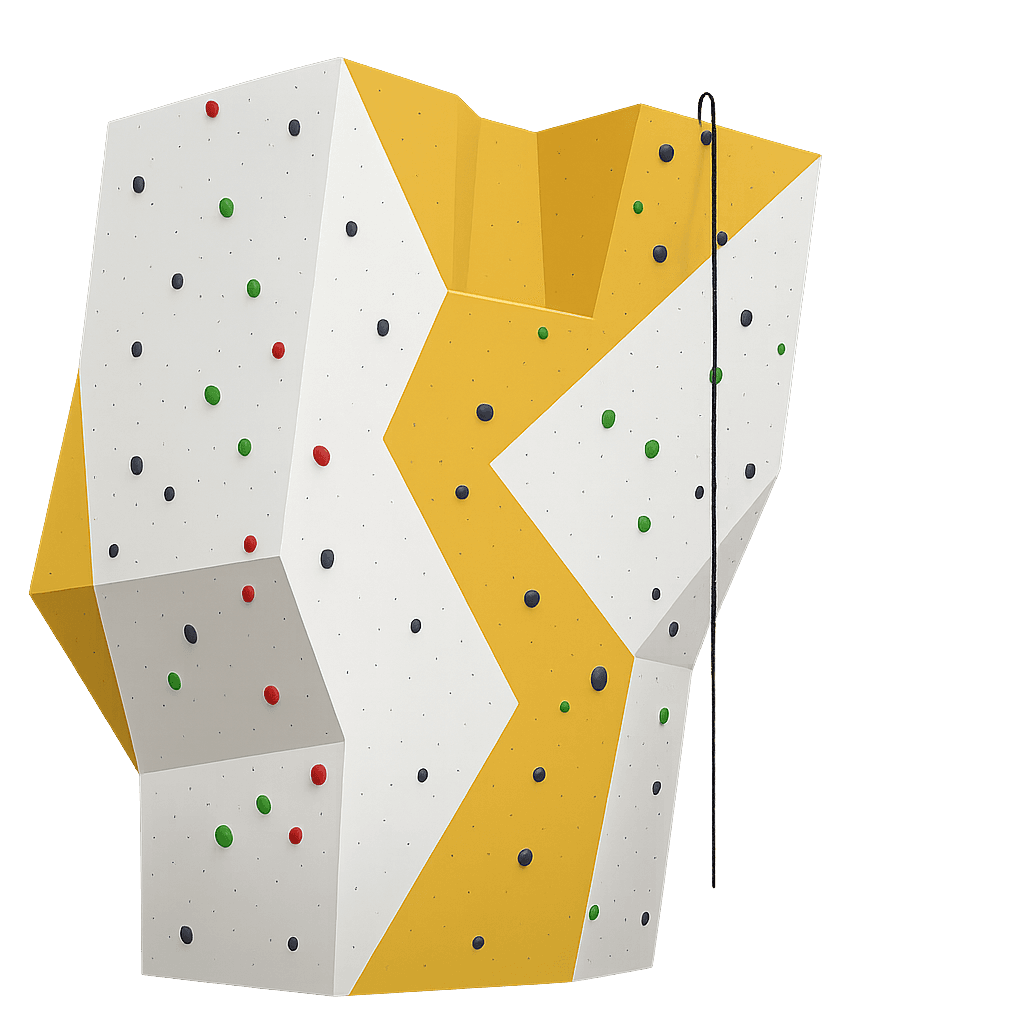
What is Indoor Climbing?
Safety Rope
Color-coded
Routes
Climbers wear
harnesses
attached to
a rope.
Wall Panel
Designed to simulate rock or provide friction
Route Setting
A card will
show difficulty at the bottom,
starts at 5.6
Volumes
Difficulty level marked by holds of the same color
Geometric features
to add complexity
Climbing
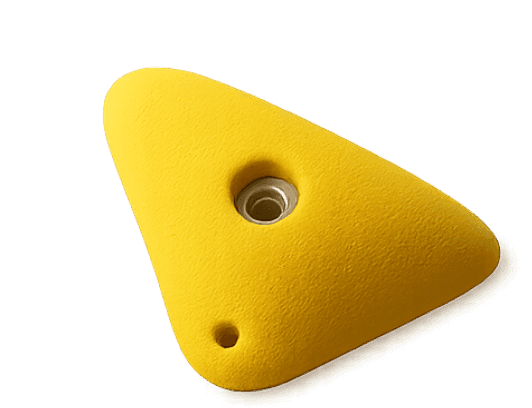
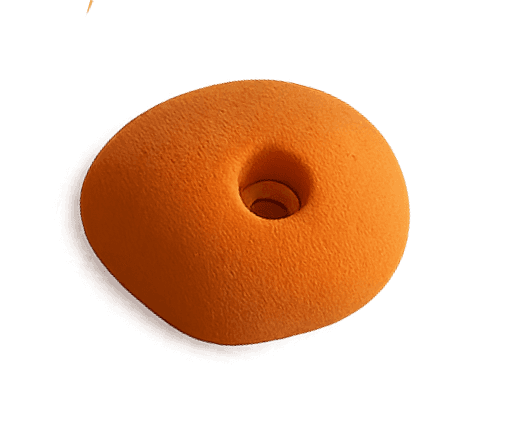
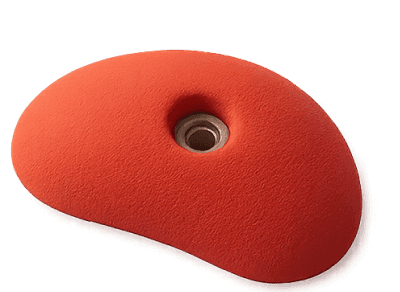
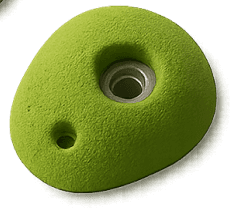
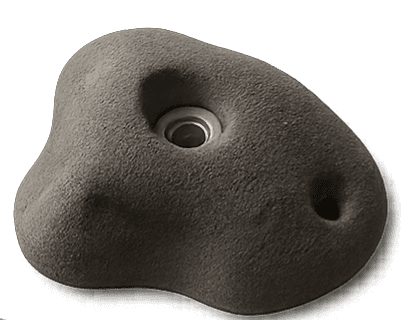
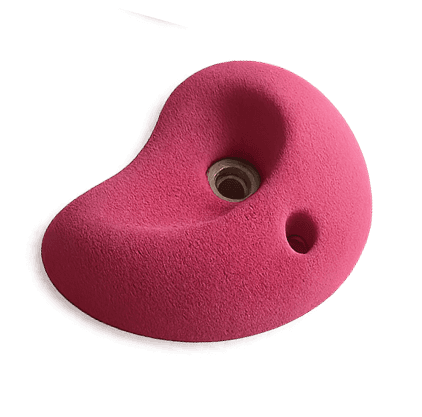
Holds
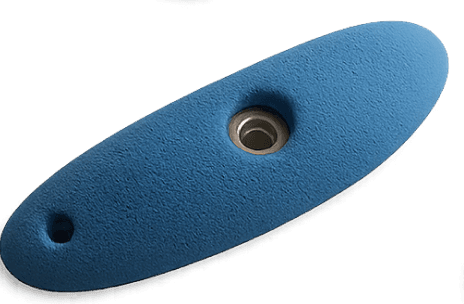
Small plastic grips attached to the wall that climbers grab or step on
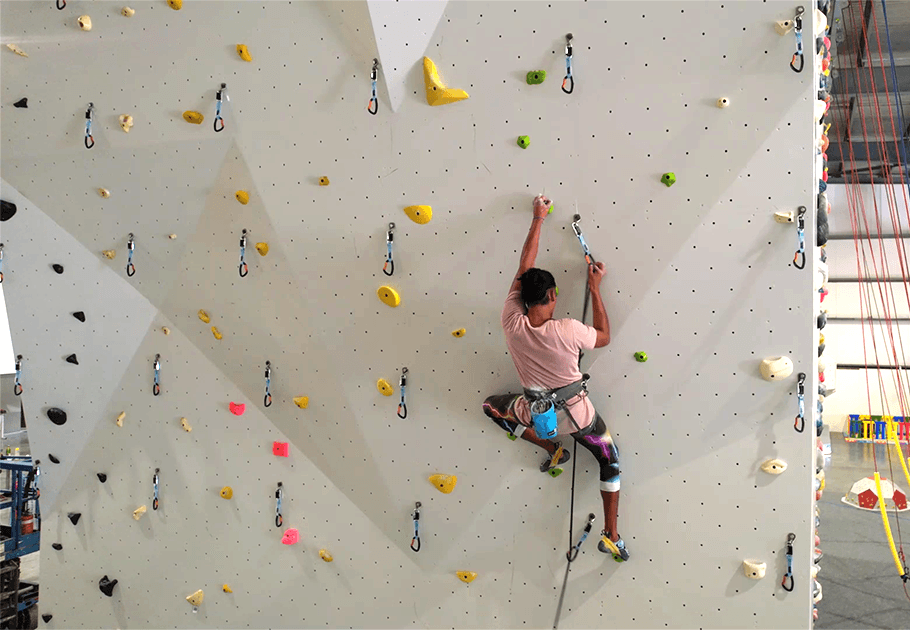
Top Rope Climbing
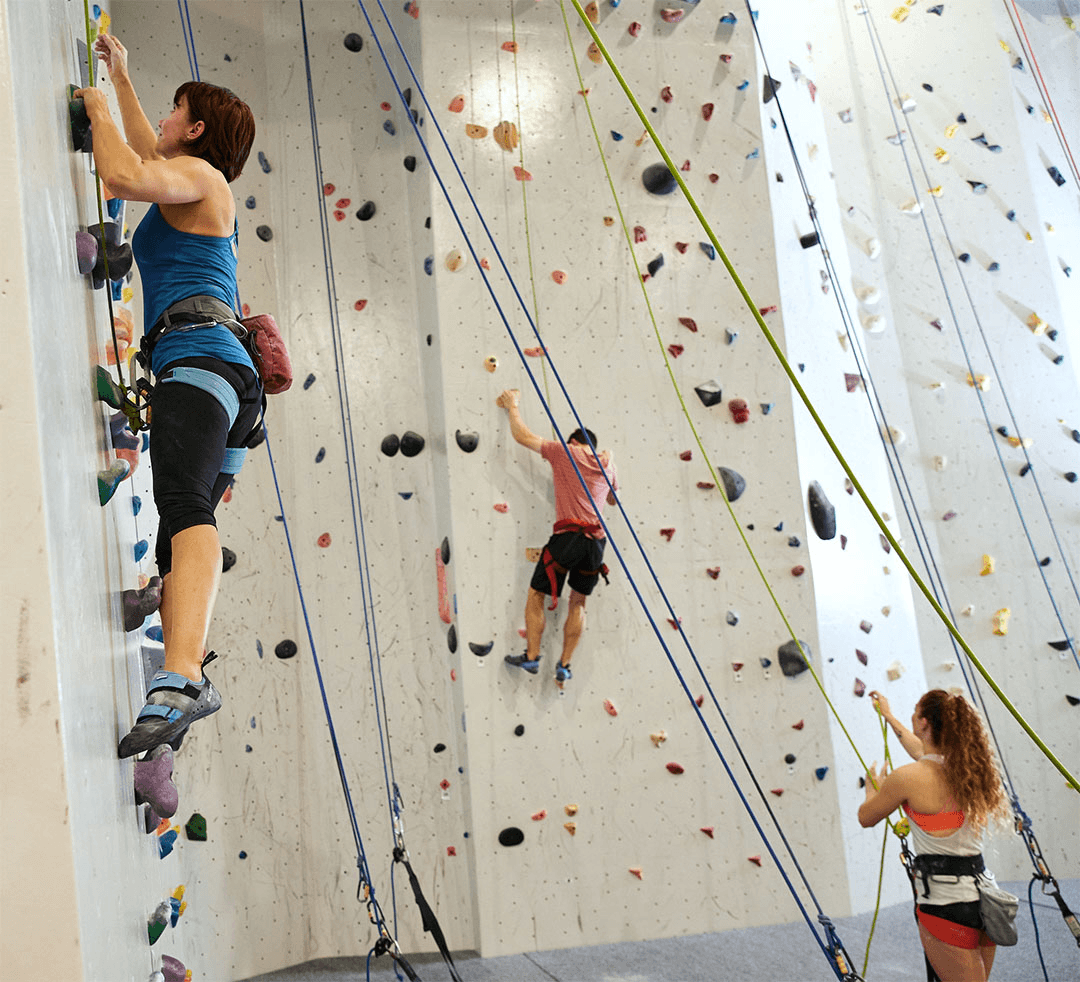
The rope is anchored at the top of the wall and managed by a belayer on the ground.
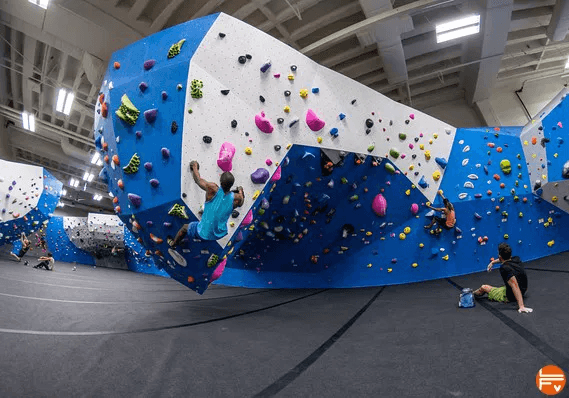
Bouldering
Bouldering is done without ropes on shorter walls, with mats for safety.
Lead Climbing
Climbers clip the rope into anchors as they ascend the route. This style requires planning and confidence.
Global Growth in Indoor Climbing
The climbing gym market is experiencing rapid growth worldwide. With the estimated global market size of USD 3.32 Billion by 2024.
USD
3.32 M
* Estimated global climbing gym market size by 2024
🇺🇸🇩🇪🇯🇵🇫🇷🇨🇳
* Number of climbing gyms by country, USA on top
650+
300+
500+
250+
400+
* Estimated global number of indoor climbers
44.5 Million
climbers
Worldwide

* Expected annual growth rate in the industry
↑ 9.3% CAGR
from 2025-2030

Indoor climbing’s rising popularity signals not just a booming market — it represents a global purpose toward fun, inclusive, and engaging fitness.
Current Climbing Landscape
Climber’s Voice
What’s
driving
the growth?
Gym Owner Insight
“We bring together a more eclectic group of people... It’s really an awesome hub of activity.”
You get a mental and a physical workout at the same time. It’s really dope to watch people progress and get better. ”
-Graziano, 34, marketing manager in BKB
“

-Christopher, 37, gym owner in Canada


“I never thought I’d enjoy a gym, but the top roping section feels social and non-judgmental.
-Sara Evensen, 21, climber in Brooklyn
Fitness
Social


US Reports
Avg 6750 Ft =
6.46 % =
/climbing gym
1.
2.
average annual net gym growth rate over the past 5 years.
approx. 1/10 of a soccer field
approx. 8.6 basketball court
Climbing Business Journal
“It’s a really social sport, especially when top roping and bouldering.“
Design Target Group



Emma - A Beginner Climber
“If I could understand my limits better, maybe I wouldn’t panic halfway up.”
Overwhelmed
About
Frustration
Climb for 3 months
Feels anxious halfway up, tires quickly,
and struggles to plan next moves.
Inexperienced
22, college student
Motivation
Core Need
Fatigued
Wants to overcome fear of falling, improve endurance, and track progress over time.
Needs real-time feedback to understand her body state, and build confidence during climbs.


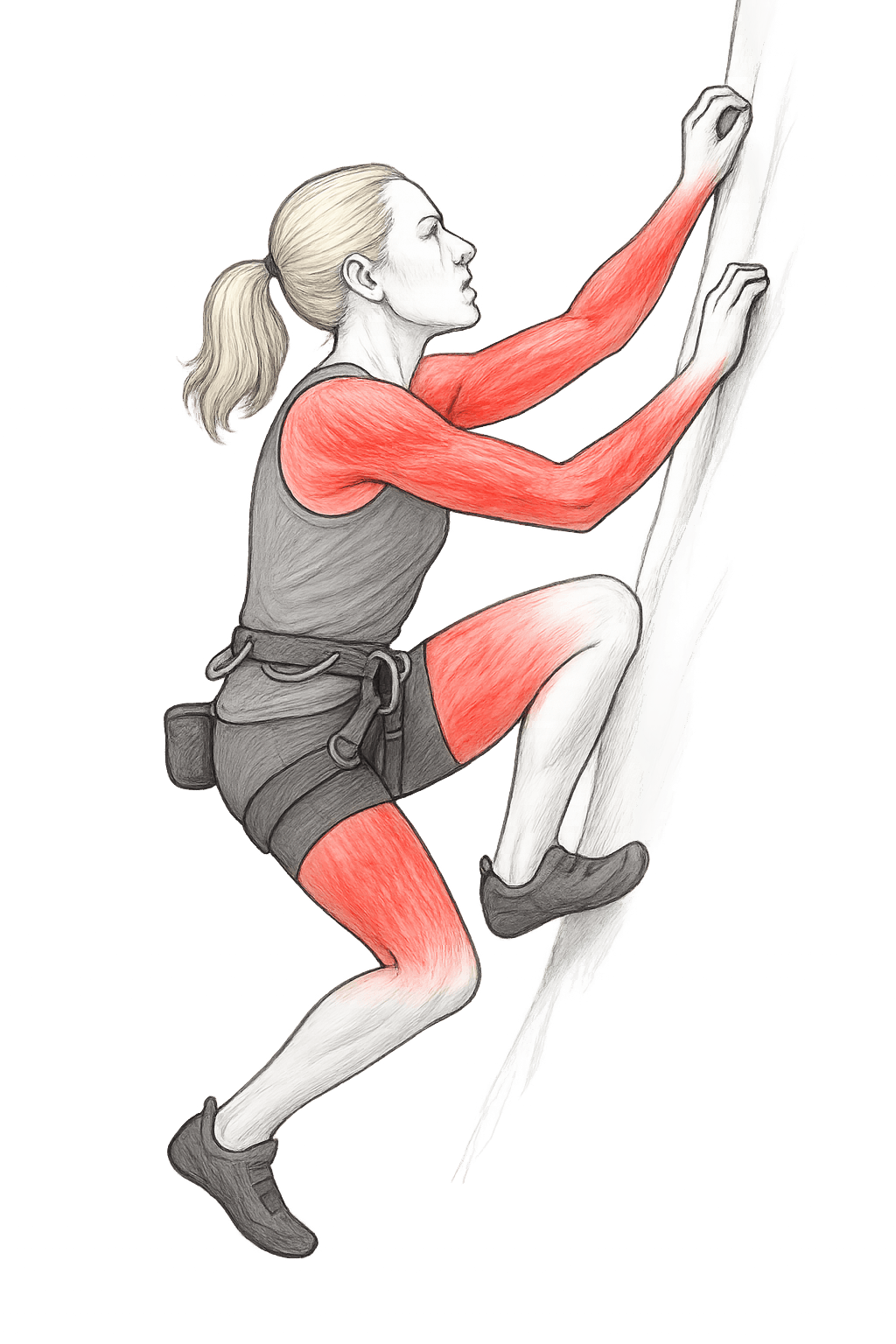
Issues Identified Common Injuries
Shoulder Injuries
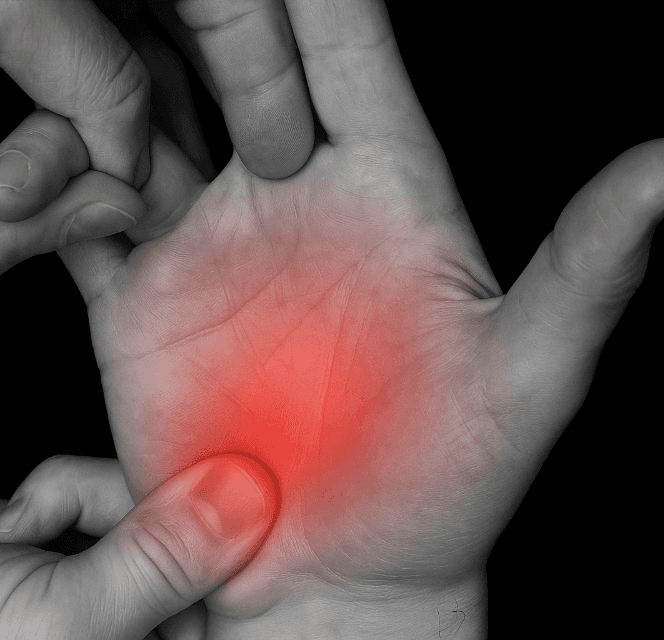
Finger Injuries
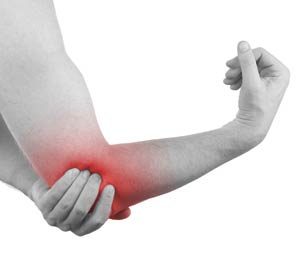
Elbow Injuries
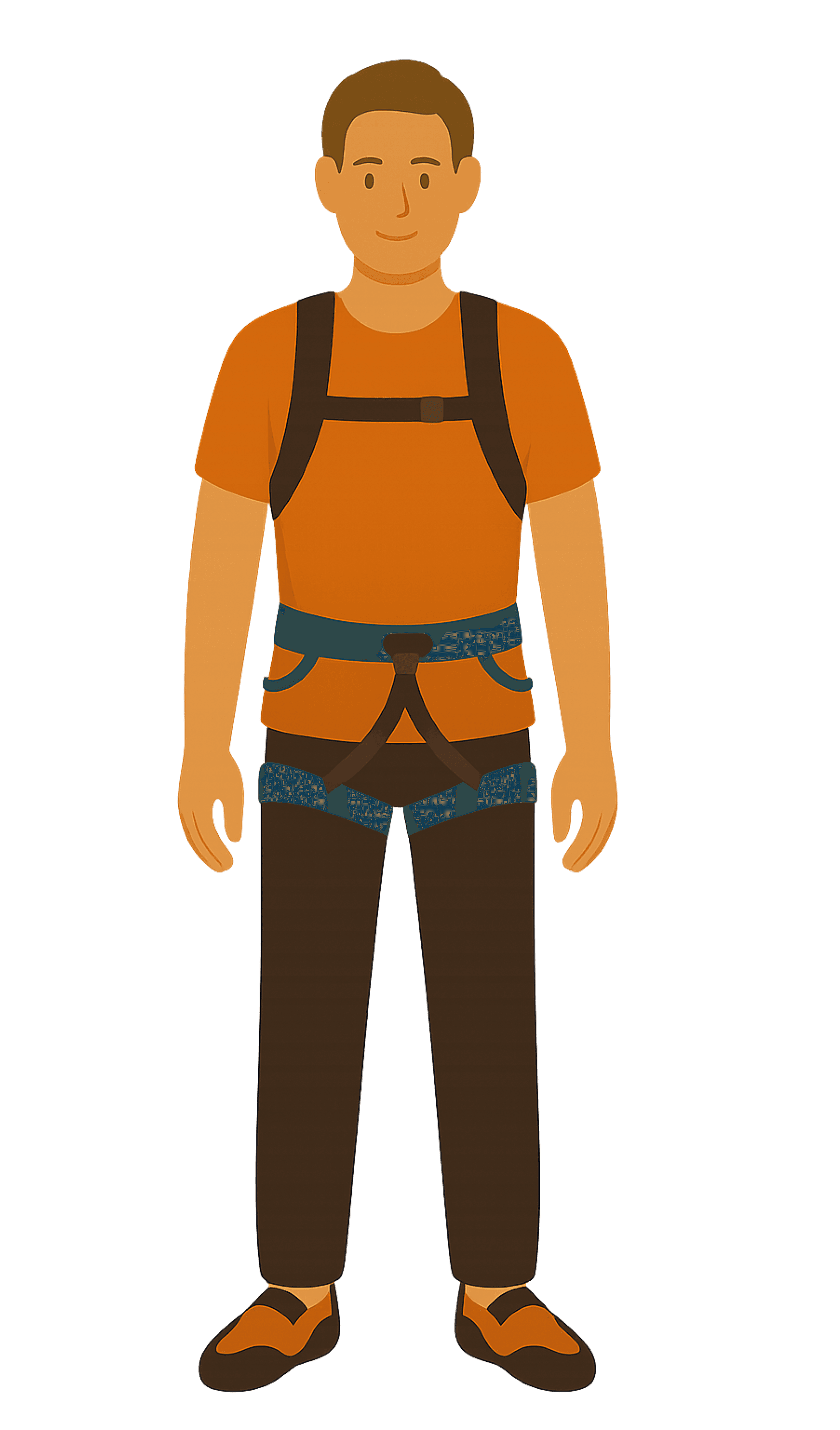
Beginners may suffer knee or ankle strains due to poor control or landings.
Gripping small holds too hard can cause pulley injuries or tendon strain.
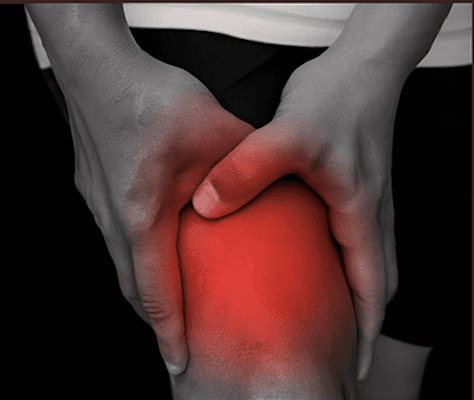
Leg Injuries
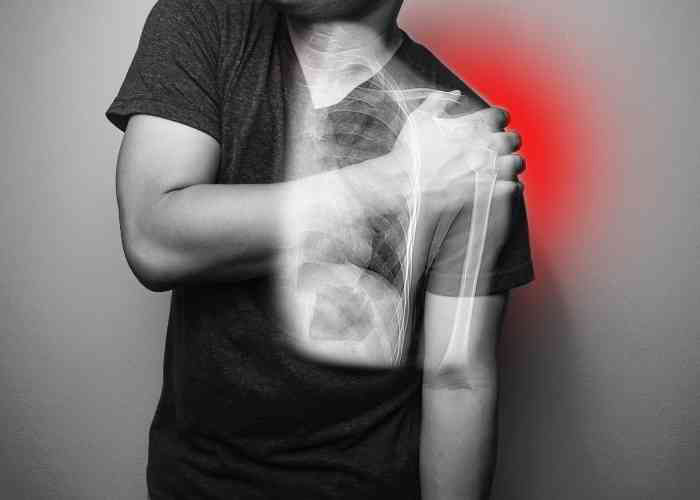
Shoulder Injuries
Finger Injuries
Caused by repeated overhead or heavy moves, especially when fatigued.
Caused by repeated overhead or heavy moves, especially when fatigued.
Without structured reflection or tracking progress over time, it’s difficult to identify improvement areas or build long-term skills.
Climbing all at once or pausing too long — lacking awareness of segmented pacing leads to poor energy distribution.
Poor progression tracking
Poor pace control
Inability to identify footholds
/handholds or hesitation before
key holds affects rhythm and
climbing efficiency.
Route recognition difficulty
Over-reliance on arm strength causes prolonged isometric holds in the forearms, leading to rapid fatigue.
Inefficient and exhausting movement
Ignoring warm-ups, skipping recovery, and climbing beyond one’s capacity increases injury risk over time.
Weak awareness of protection
Fear of heights and nervousness lead to elevated heart rate, stiff or frozen movements, and frequent pauses.
High Psychological Stress







Innovations in Climbing Gym
Cost
User-Benefit
Flexibility
Cost
User-Benefit
Flexibility
Cost
User-Benefit
Flexibility
Cost
User-Benefit
Flexibility
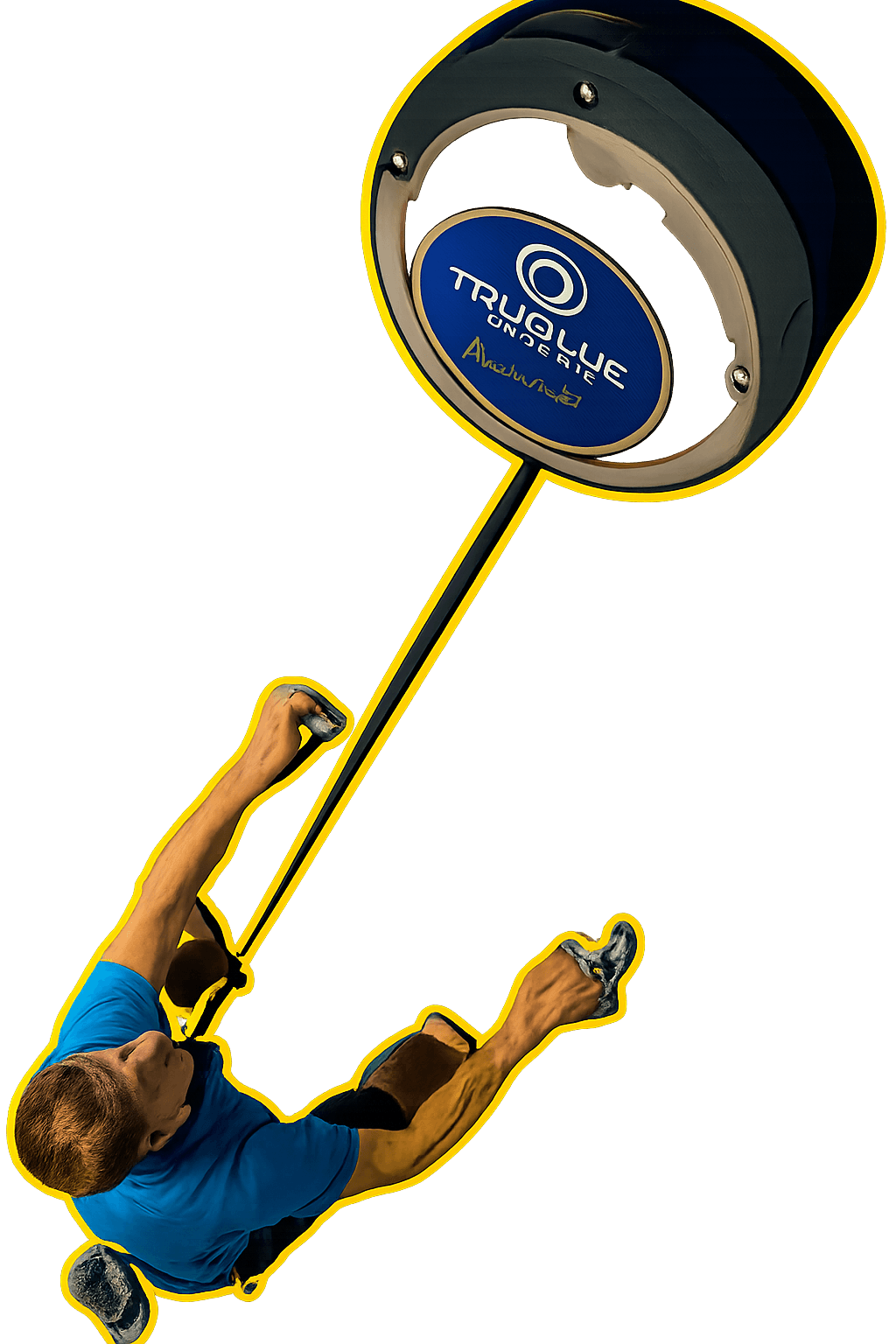
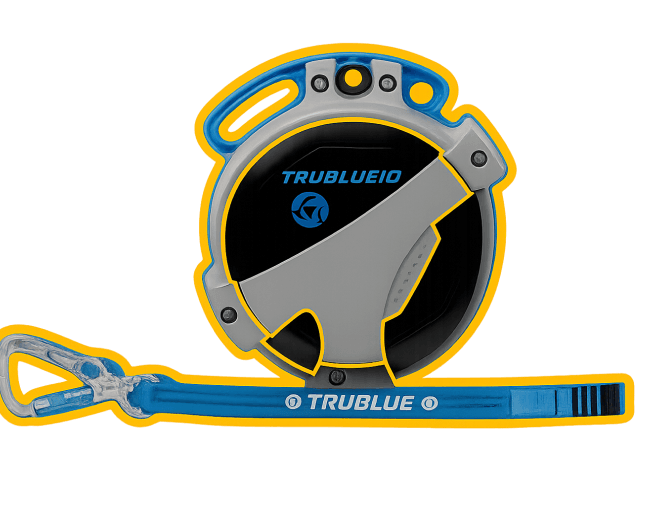
Auto-Belay System allows beginners or solo climbers to train independently.
While it can't replace dynamic belaying, it's easy to use and provides high safety for new users.
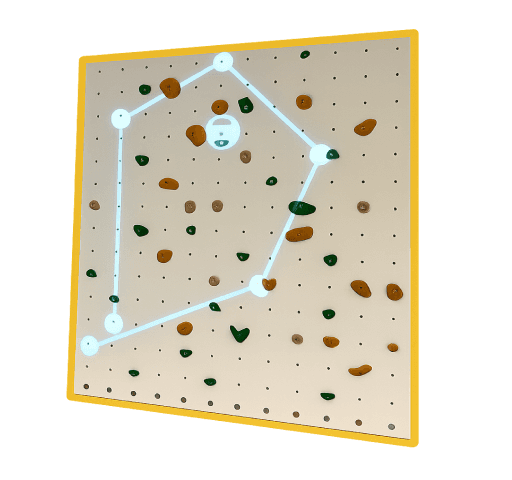
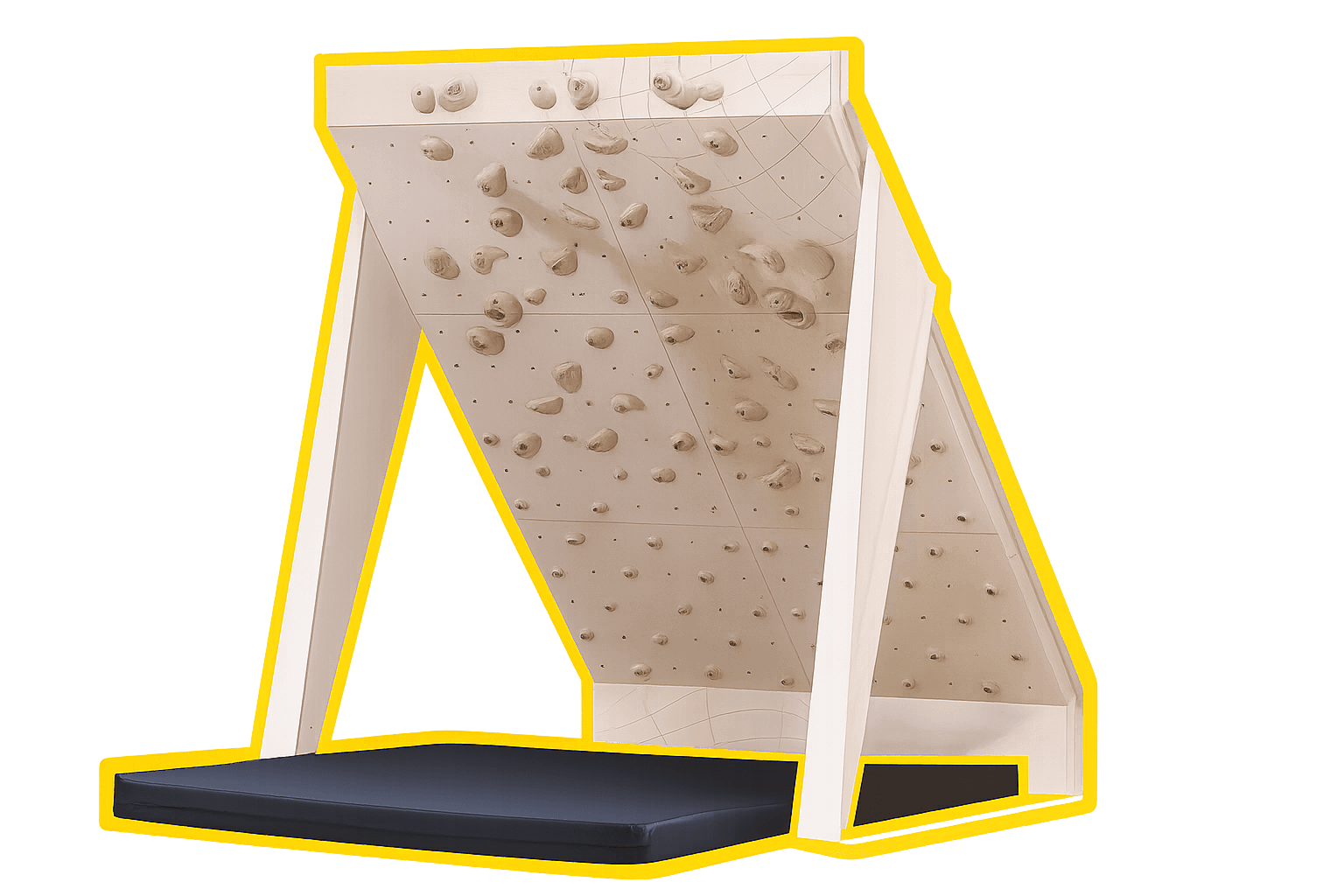
Smart climbing walls offer interactive feedback, gamified training, and customizable routes.
However, they require regular calibration and are costly to build and maintain.
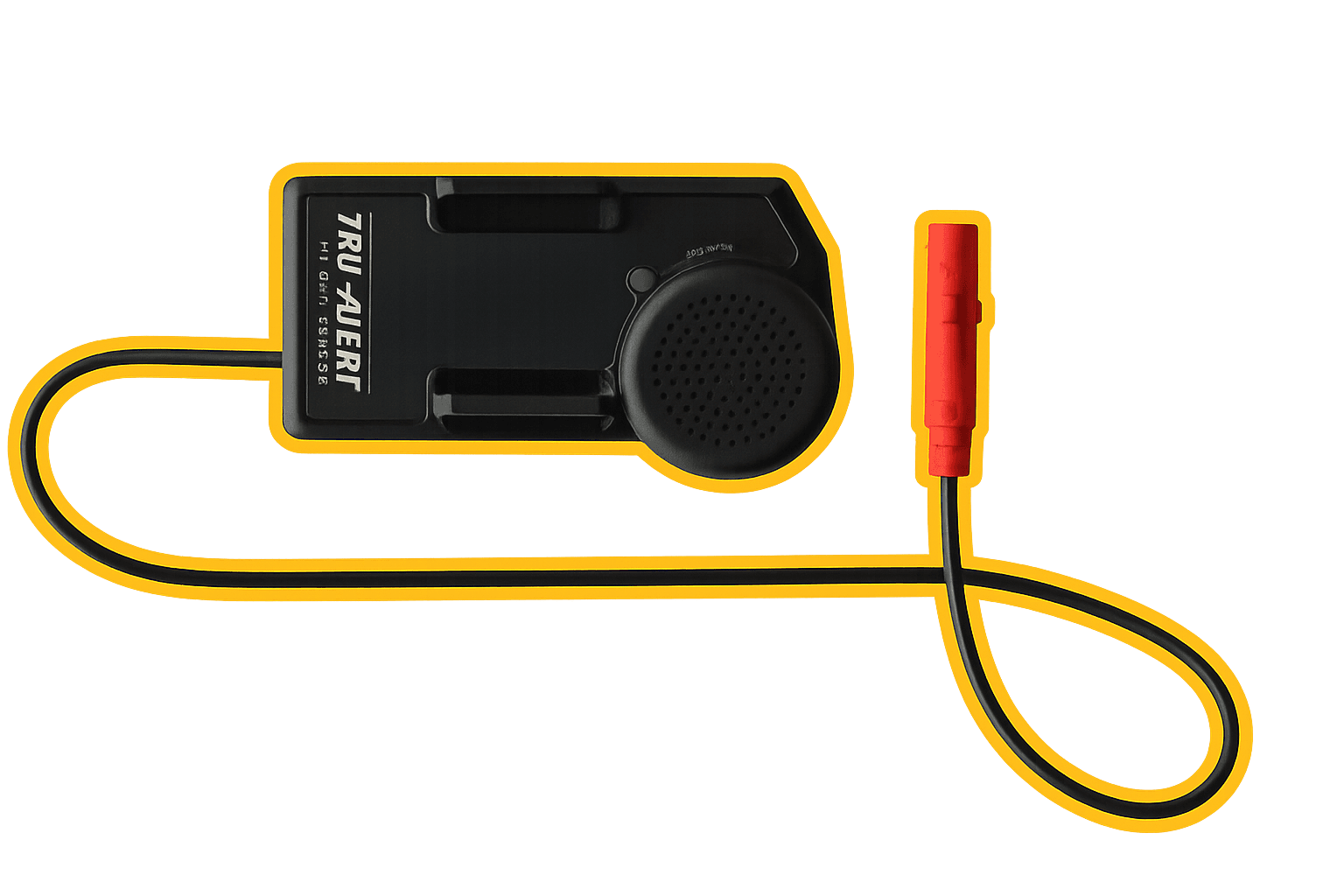
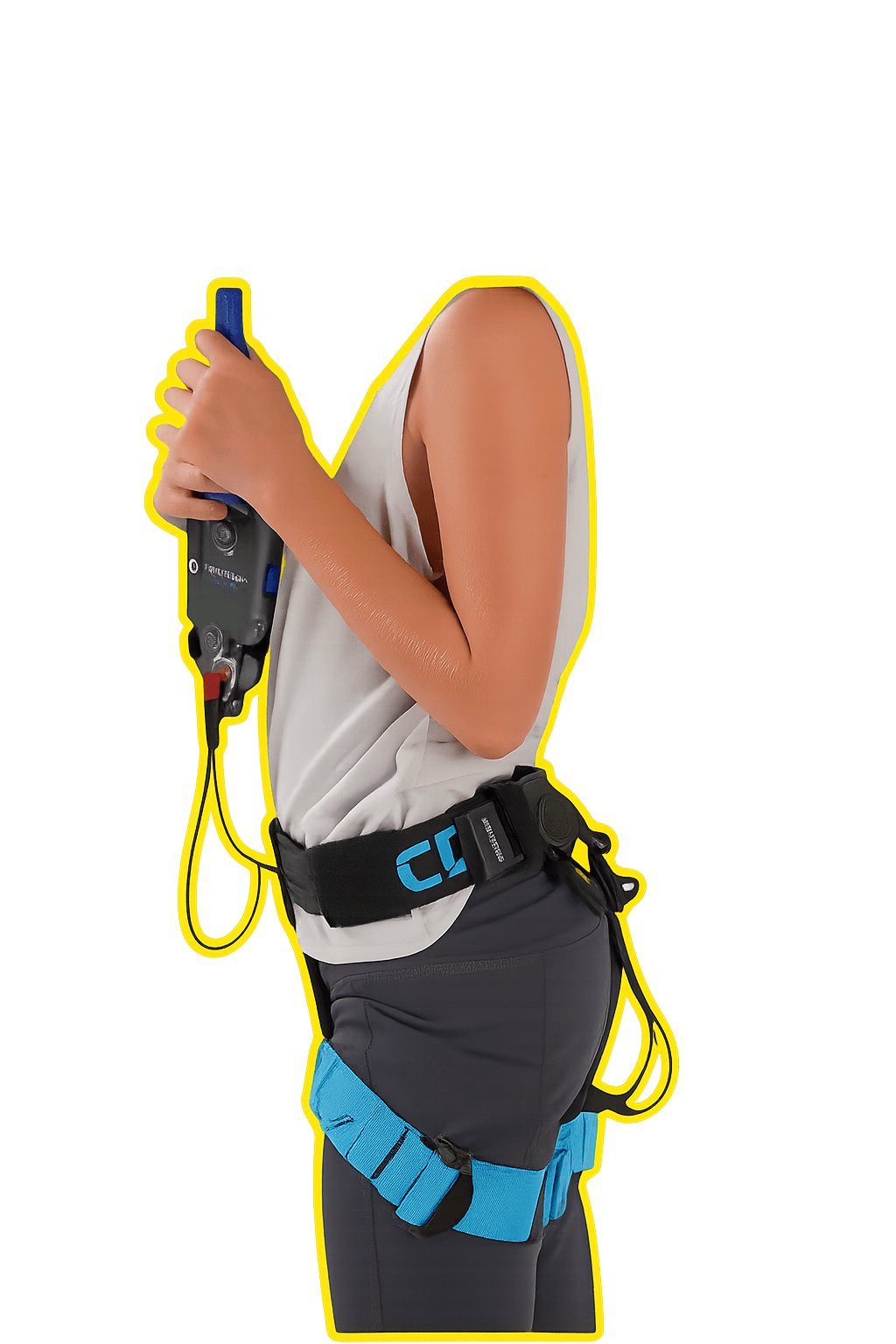
Advanced height sensors instantly detect falls and trigger real-time alerts.
However, it comes with high costs and may occasionally trigger false alarms.
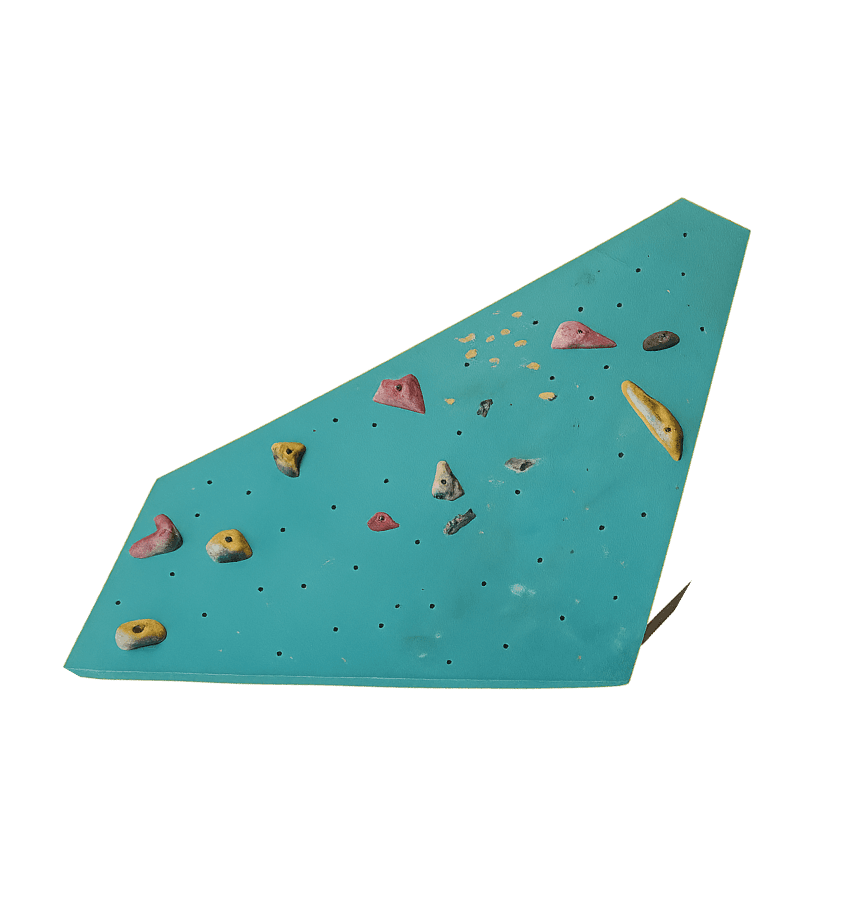
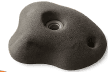
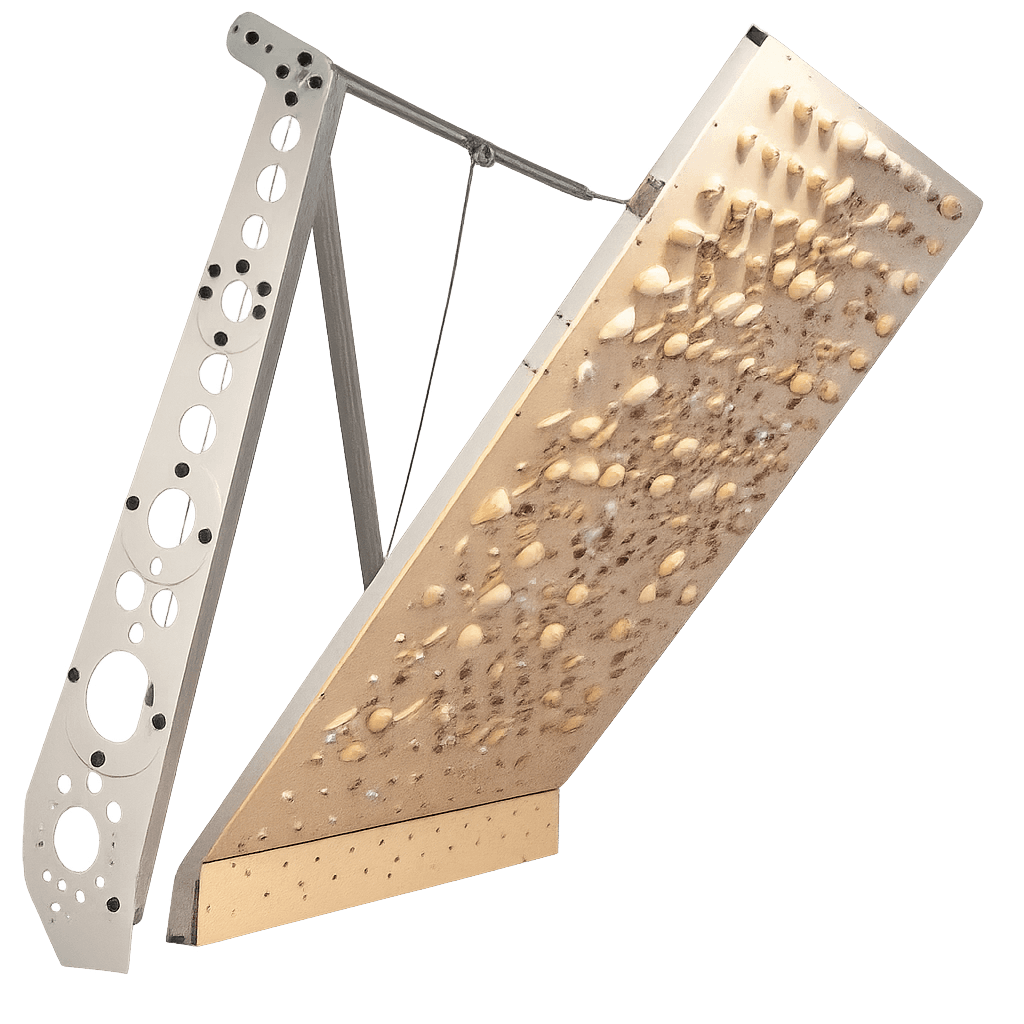
Easily reconfigured to adapt routes for varying skill levels and training goals.
Initial setup cost is high; movable parts may need frequent inspection.
Auto-Belay System
Smart Climbing Walls
Fall-Detection System
Modular Wall Design





Concept
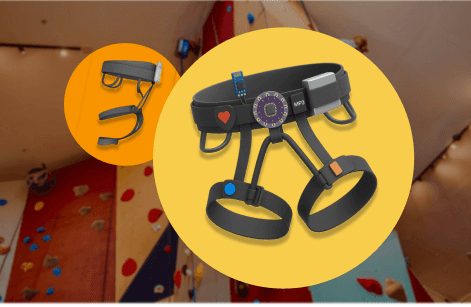
Product Concept
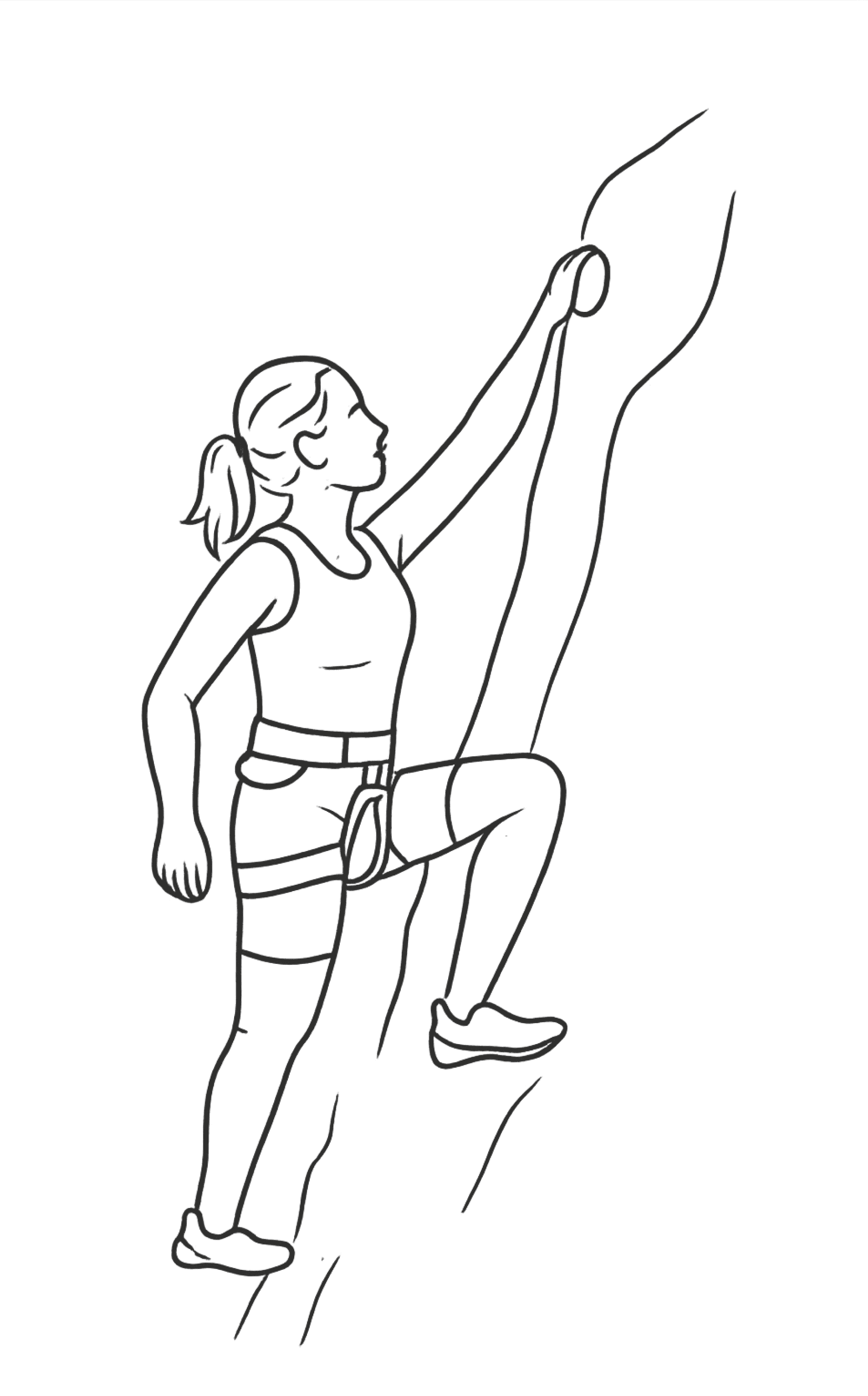
Sketch System Map
EMG
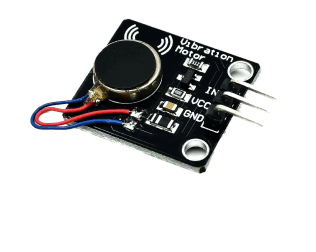
Vibration Motor
Heart
Rate
Angular
Velocity
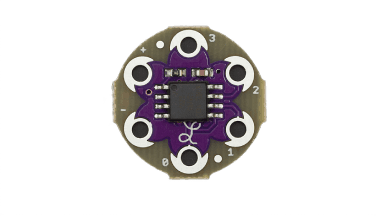
Lilypad
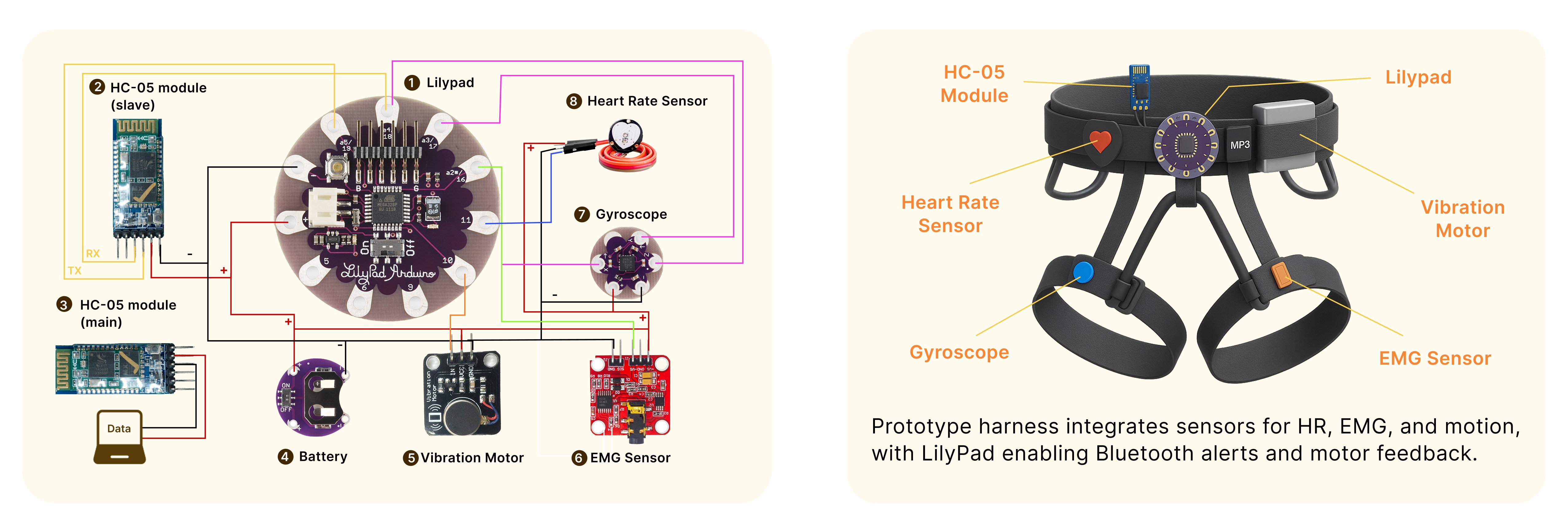
By placing sensors on key body parts, the device monitors heart rate, muscle activity, and motion stability during climbing.
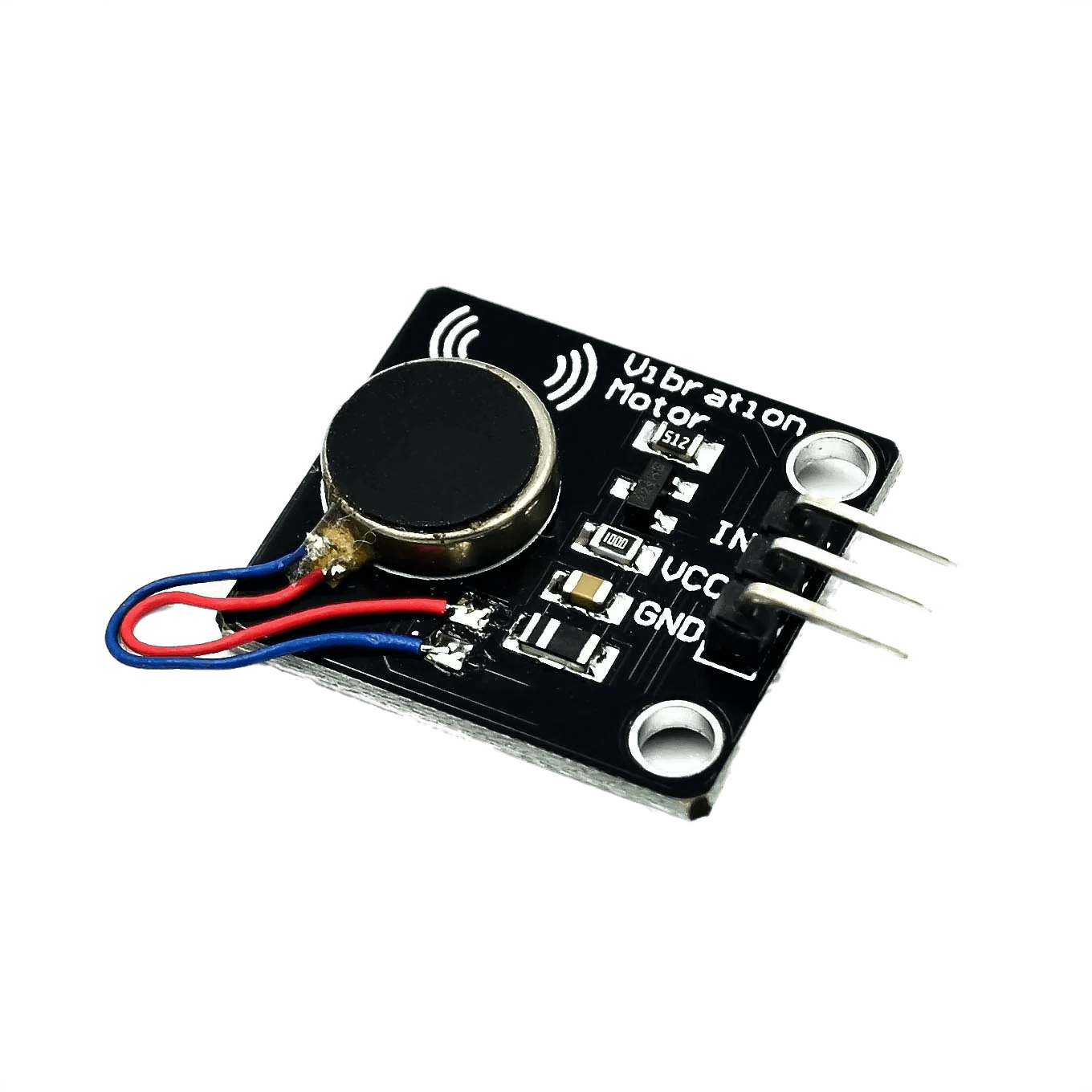
Through motor cues, climber
gets quick reminders
to rest or slow down, which ensures
safer climbing experiences.
The system
provides real
-time alerts
when fatigue
or abnormal
movement is detected, reminding climbers to rest or adjust their pacing.
Wear Device
Upload Code



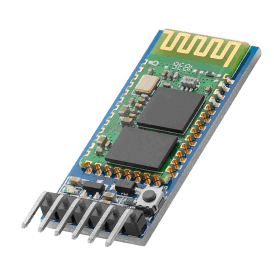
Bluetooth
Pairing
Start
Climbing




Save &
Review Data
Detect
Abnormality


Monitor
Signals



Send Alerts
Gesture Analyze
Bluetooth Module
Vibration Motor
Gyroscope
Data can be transmitted, and for post-review
Provides reminders to slow down and adjust pace.
Monitors acceleration and frequency of movements.
Applicable Scenario
High-Intensity Burst Climbing
Applicable Scenario
Postural Imbalance
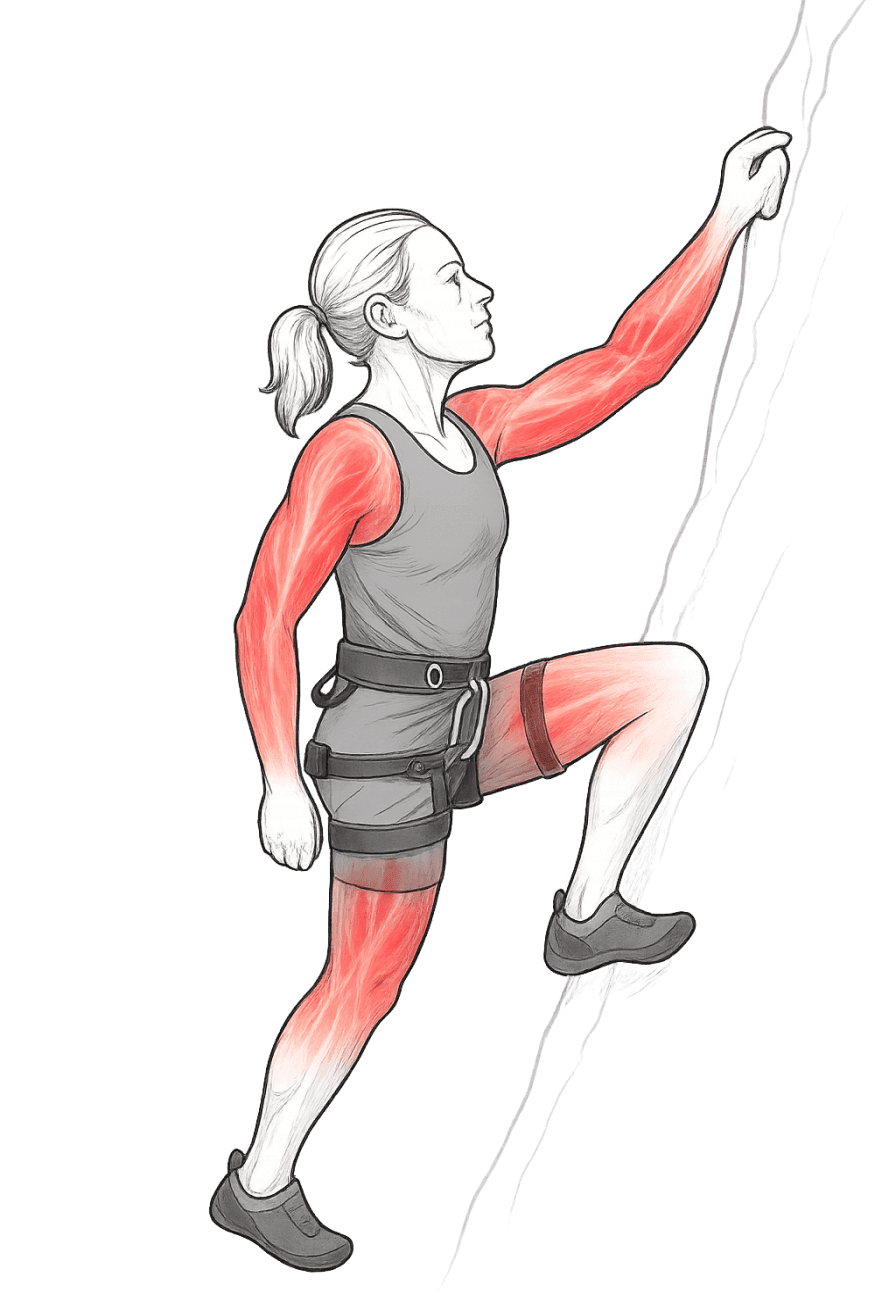
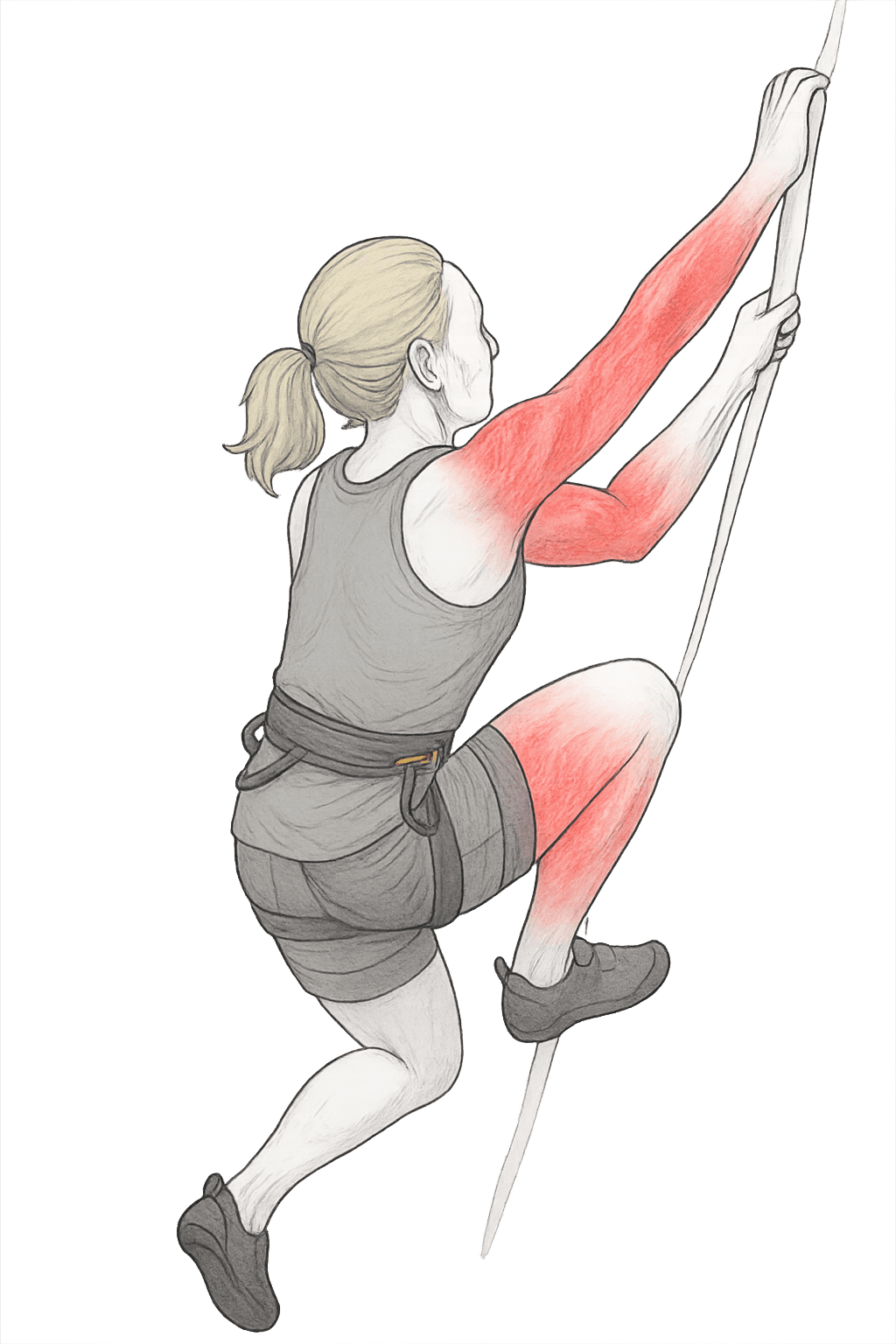
When holding static positions for too long, climbers may experience rapid heart rate increase and muscle fatigue, which reduces endurance.
Beginner climbers may frequently pause on holds, needs better pacing and endurance management.
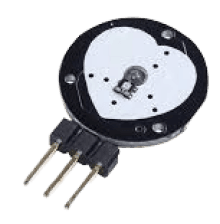
Detects abnormal spikes in heart rate if > 160 bpm
Provides instant reminders
for 5-10 seconds
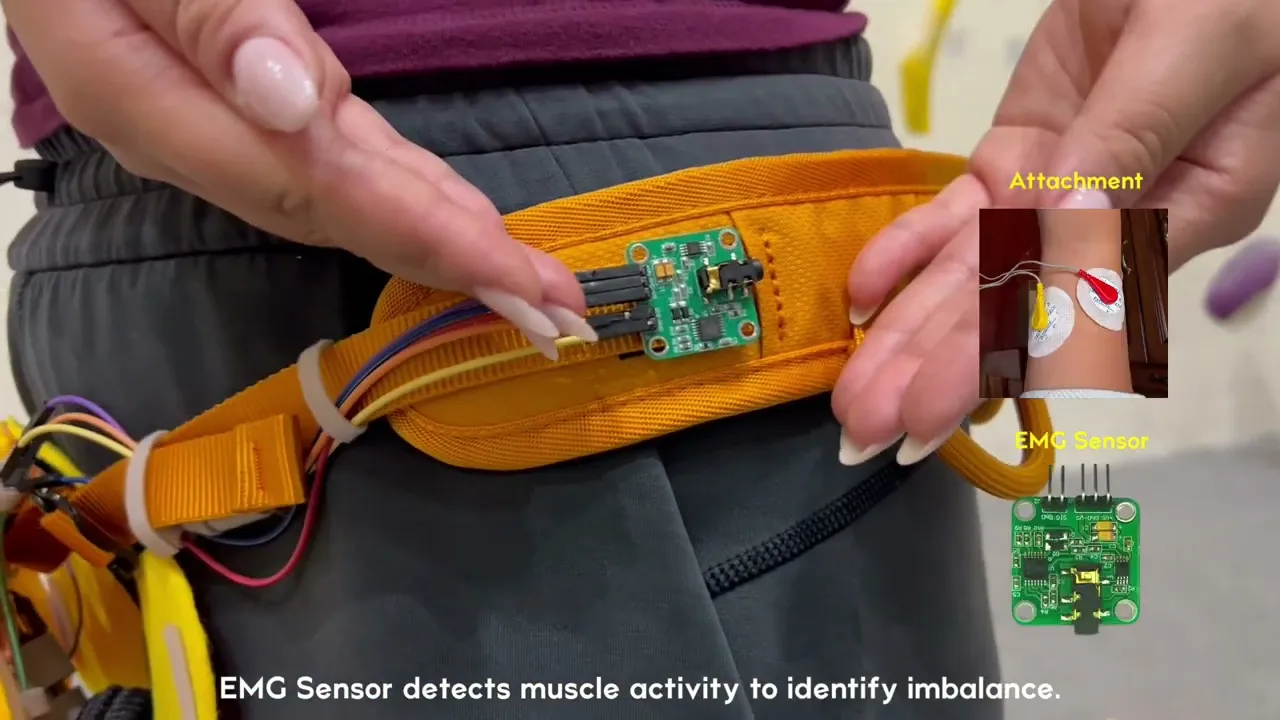
Monitors continuous muscle tension
Problem
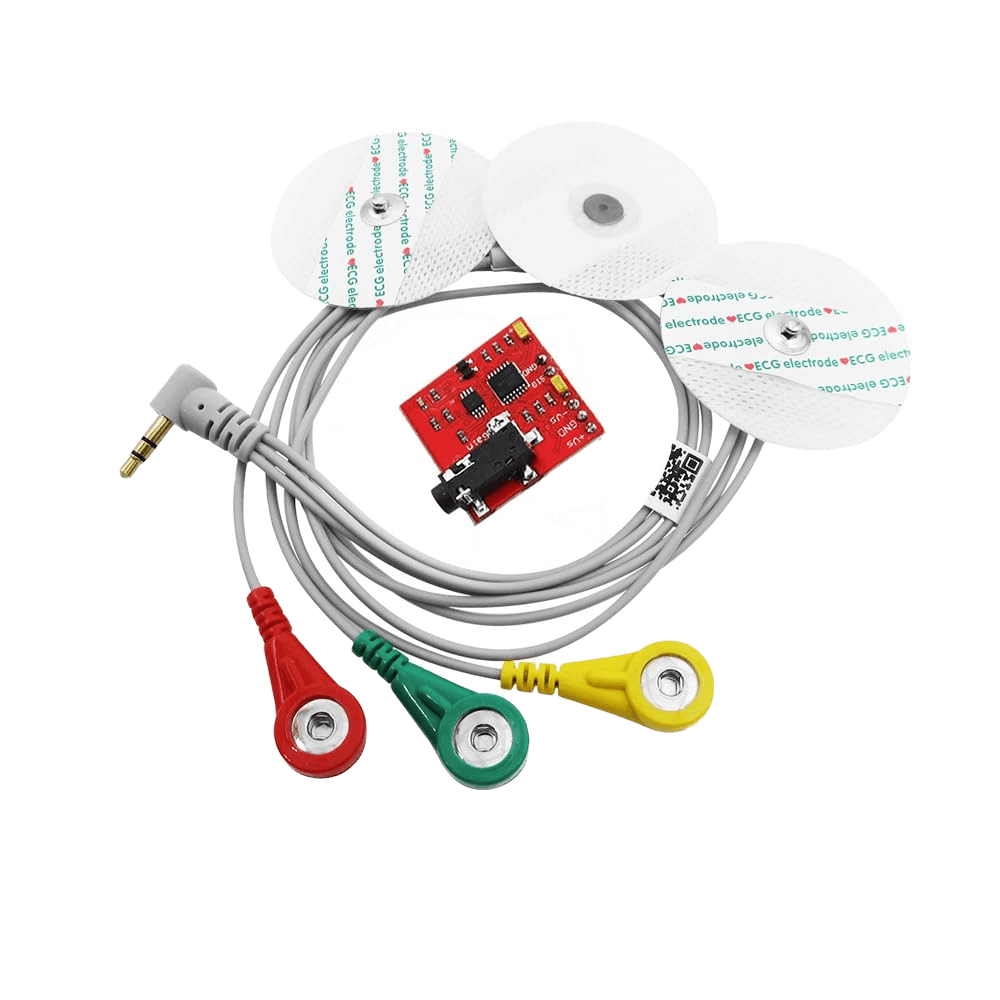
EMG Sensor
Heart Rate Sensor
Vibration Motor
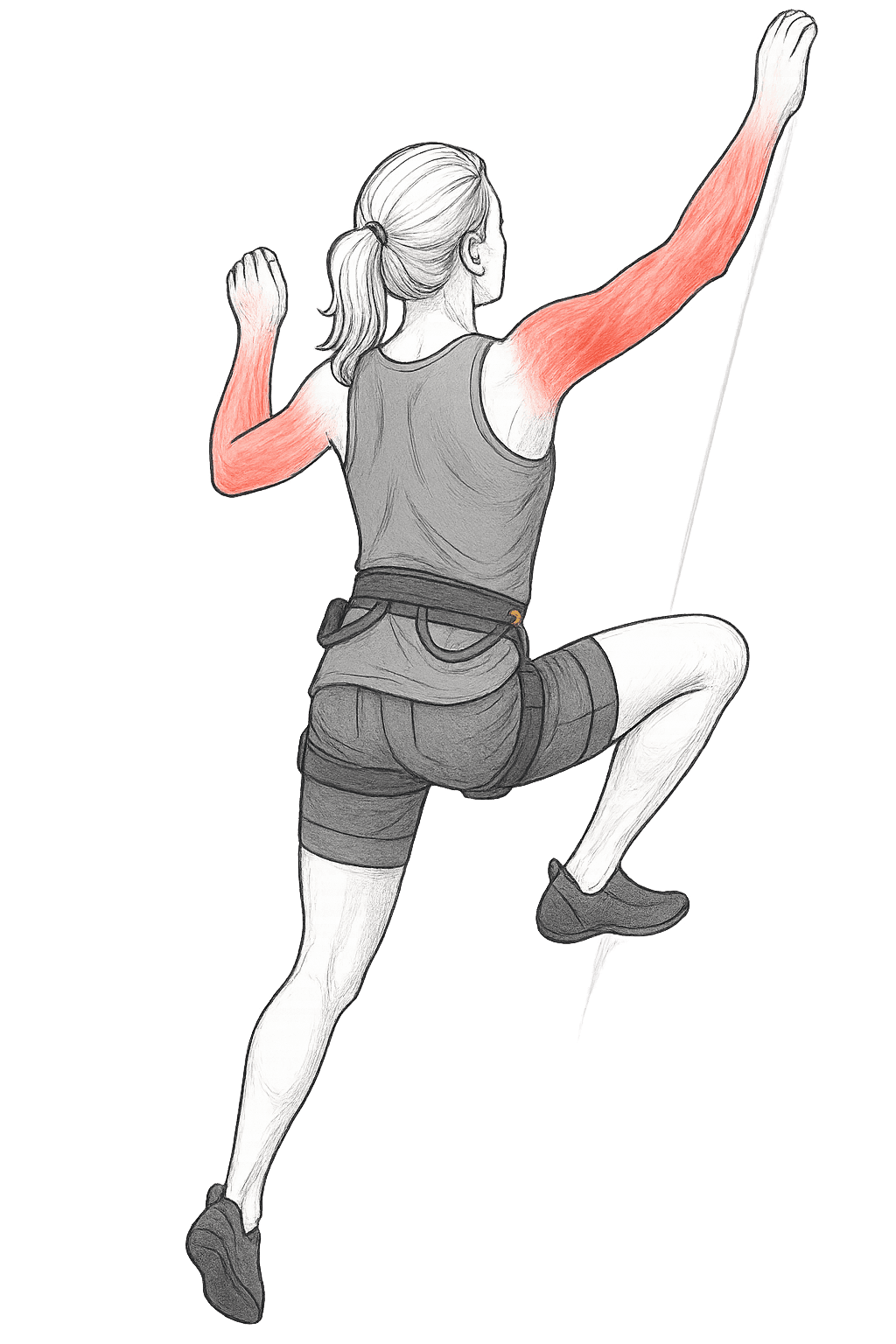
During certain climbing routes, unstable posture or loss of balance may cause one side of the body to overcompensate, leading to excessive strain and climbing inefficiency.
Problem
Applicable Scenario
Fast or irregular pacing during climbing causes rapid energy loss, making it harder for climbers to maintain endurance and control.
Beginner climbers may push too quickly between holds because they want to get to the top eagerly.
Problem
Applicable Scenario
Rapid heart rate spikes combined with explosive movements can quickly drain physical energy, causing fatigue and reducing overall climbing performance.
Problem
Reminds the climber to switch hand/foot placement or take a rest
Provide rhythmic reminders to help manage effort.
Work together to detect abnormal bursts of activity.
Vibration Motor
EMG Sensor
Vibration Motor
Monitor left–right muscle activity and compare strength on each side
Gyroscope
Heart Rate
Sensor
+
Isometric Hold
Unstable Pacing
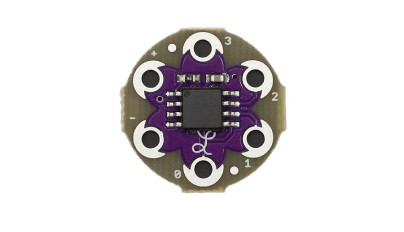
Climbing routes with asymmetrical holds or shifting body weight where climbers tend to rely heavily on one side for support.

Climbers attempt fast sequences of moves, which requires pacing strategies to avoid exhaustion.
Technical Realization
Circuit Product Prototype
Coding Fabrication Steps & Testing
1
Pins and Thresholds
#include
SoftwareSerial BT(5, 6);
const int gyroXPin=A0, gyroYPin=A2, gyroZPin=A3; const int heartRatePin=A1, emgPin=A5; const int motorPin=12;
const int GYRO_WARN=600, GYRO_DANGER=800;
const int HR_WARN=600, HR_DANGER=800;
const int EMG_WARN_RAW=120, EMG_DANGER_RAW=220;
Function
Define sensor pins and detection thresholds.
2
Set Up & Calibration
float baseX=0, baseY=0, baseZ=0, emgBase=0;
for(int i=0;i<200;i++){
baseX+=analogRead(gxPin);
emgBase+=analogRead(emgPin);
delay(10); }
baseX/=200; baseY/=200; baseZ/=200; emgBase/=200;
Function
Initialize serial, Bluetooth, motor, and print CSV header.
3
Data Acquisition
int hr=analogRead(hrPin);
int er=analogRead(emgPin);
float gx=analogRead(gxPin)-baseX;
float gy=analogRead(gyPin)-baseY;
float gz=analogRead(gzPin)-baseZ;
float omega=sqrt(gx*gx+gy*gy+gz*gz);
int emg=abs(er-emgBase);
Function
Collect raw sensor values with timestamp.
4
Detection Logic
int mode=0; // 0=none,1=warn,2=danger
if(hr>600) mode=1; if(hr>800) mode=2;
if(omega>100) mode=1; if(omega>300) mode=2;
if(emg>120) mode=1; if(emg>220) mode=2;
Function
Evaluate abnormal conditions and decide when to vibrate for alert.
Warning → early fatigue risk.
Danger → overload or unsafe exertion.
5
Alert Control
if(mode==1) vibrate(300,"Rest");
if(mode==2) vibrate(1000,"Must Stop");
void vibrate(int d,const char* msg){
Serial.println(msg);
BT.println(msg);
digitalWrite(motorPin,HIGH);
delay(d);
digitalWrite(motorPin,LOW);
}
Function
Controls the vibration motor:
Short vibration (300 ms) → Warning: Rest.
Long vibration (1000 ms) → Danger: Stop.
6
Logging
Serial.println("Bluetooth ready");
BT.println("Bluetooth ready");}
String data = "Omega:" + String(omega) + " | HR:" + String(hr) + " | EMG:" + String(emg);
Serial.println(data);
BT.println(data);
Function
Record and transmit data via Serial (PC).
*Sampling at 50 Hz, data logged to CSV via Serial.
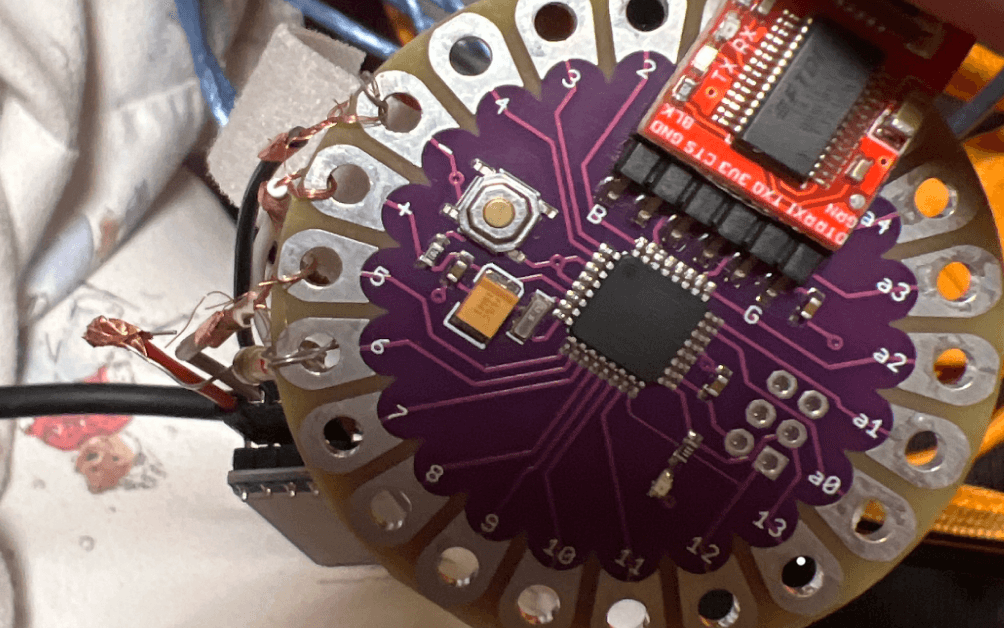
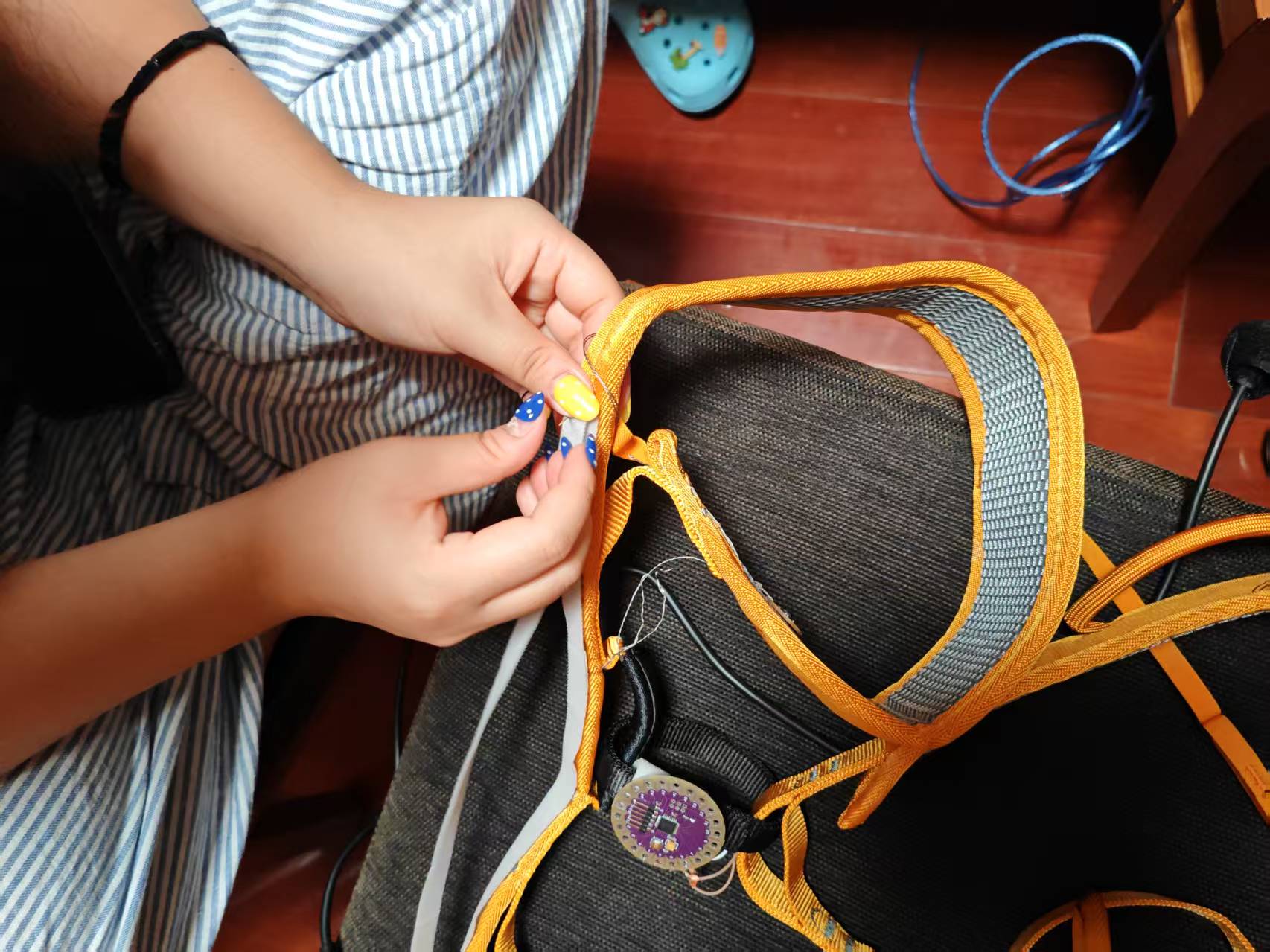
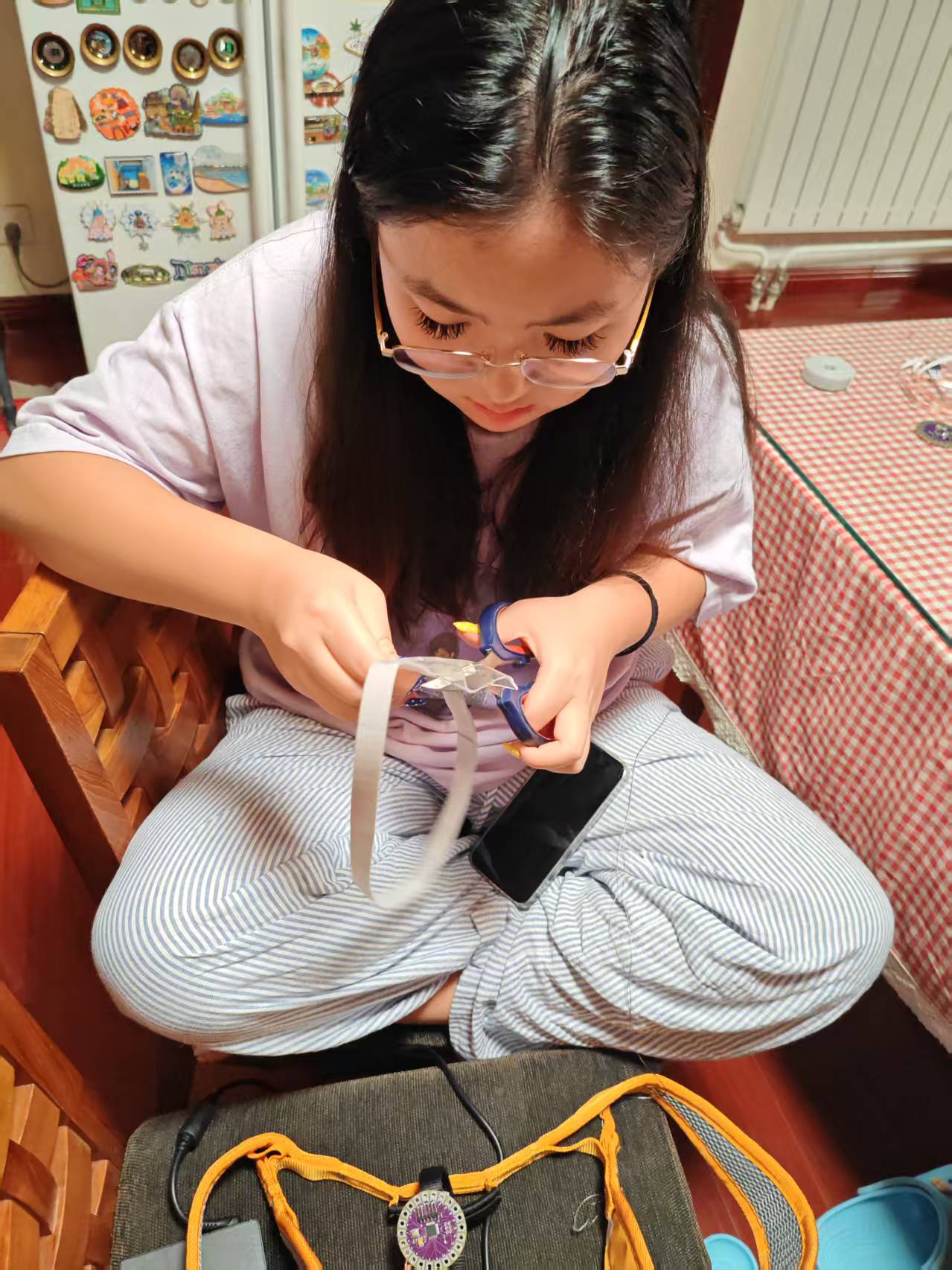
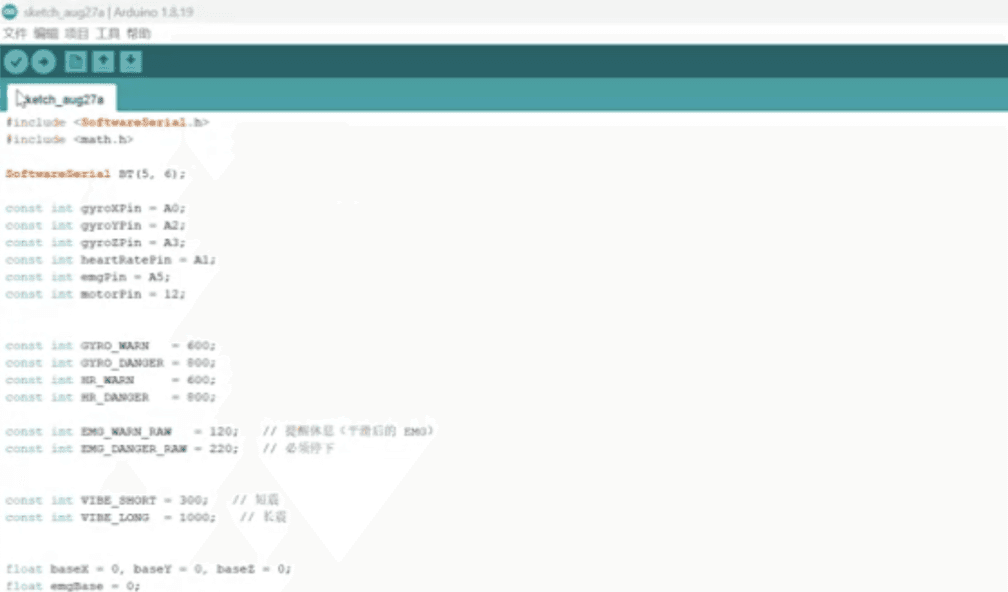
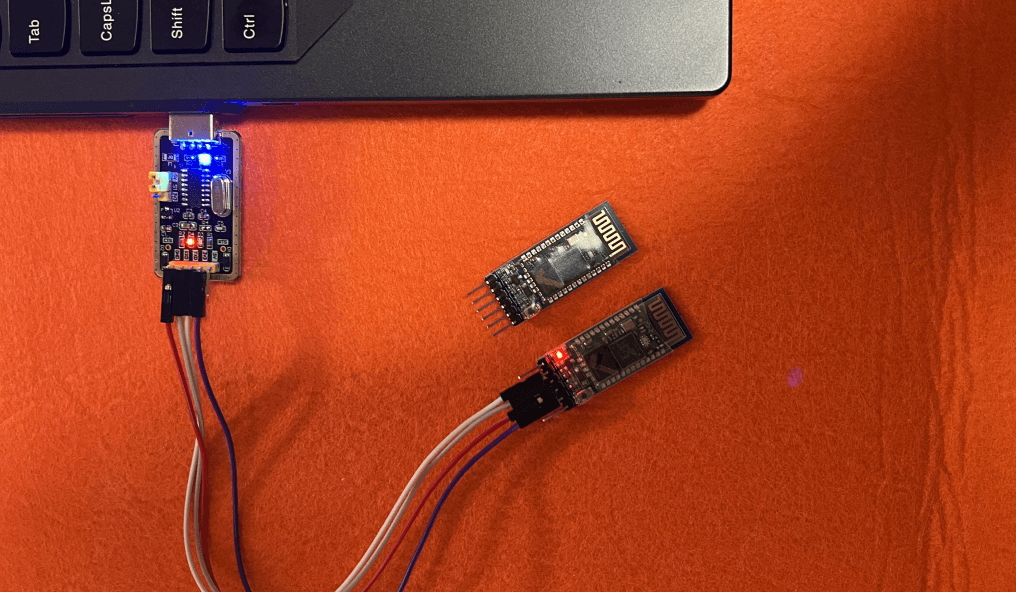
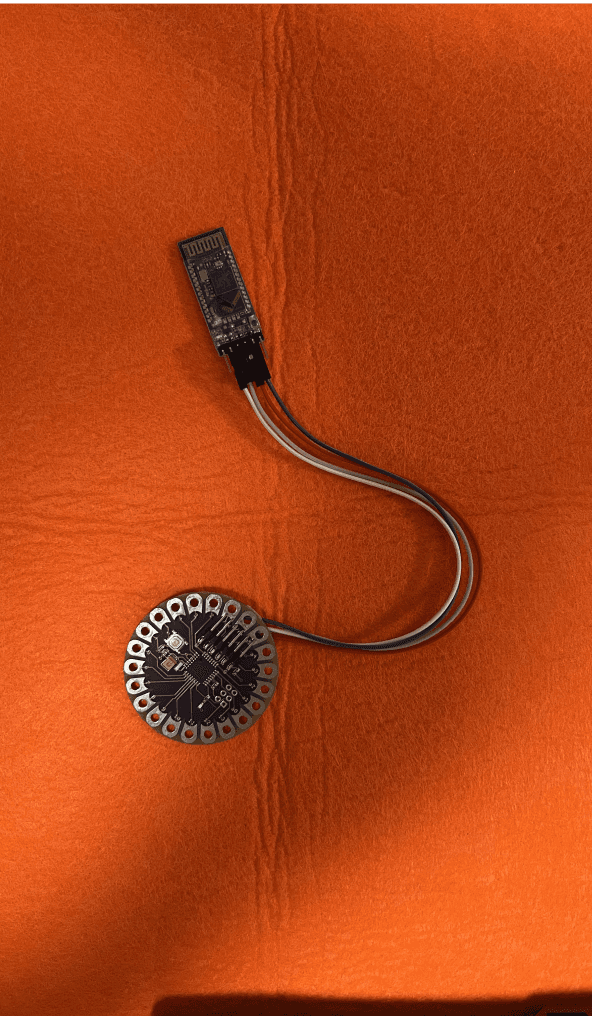
Step 1: Connecting bluetooth
Step 2: Wiring and Sewing
Step 3: Integration on harness
Step 4: Code Uploading
Problem 1:
Data not received on PC
Solution:
Checked Serial port, re-uploaded code, and verified stable data streaming.
Problem 2:
Too many power cables caused messy setup.
Solution:
Optimized wiring, reduced loose wires.


Storyboard
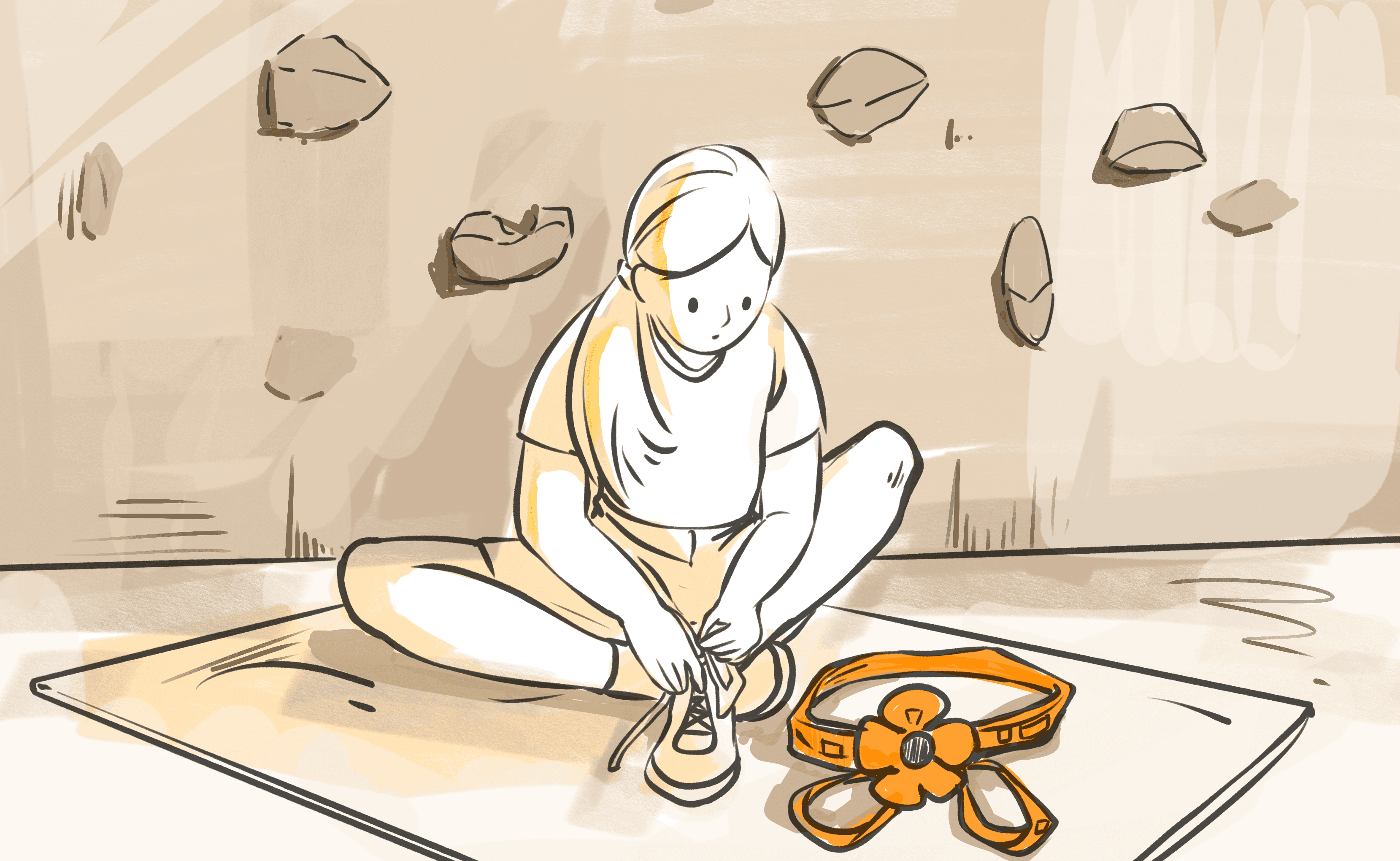
01-Preparation
02-Beginning
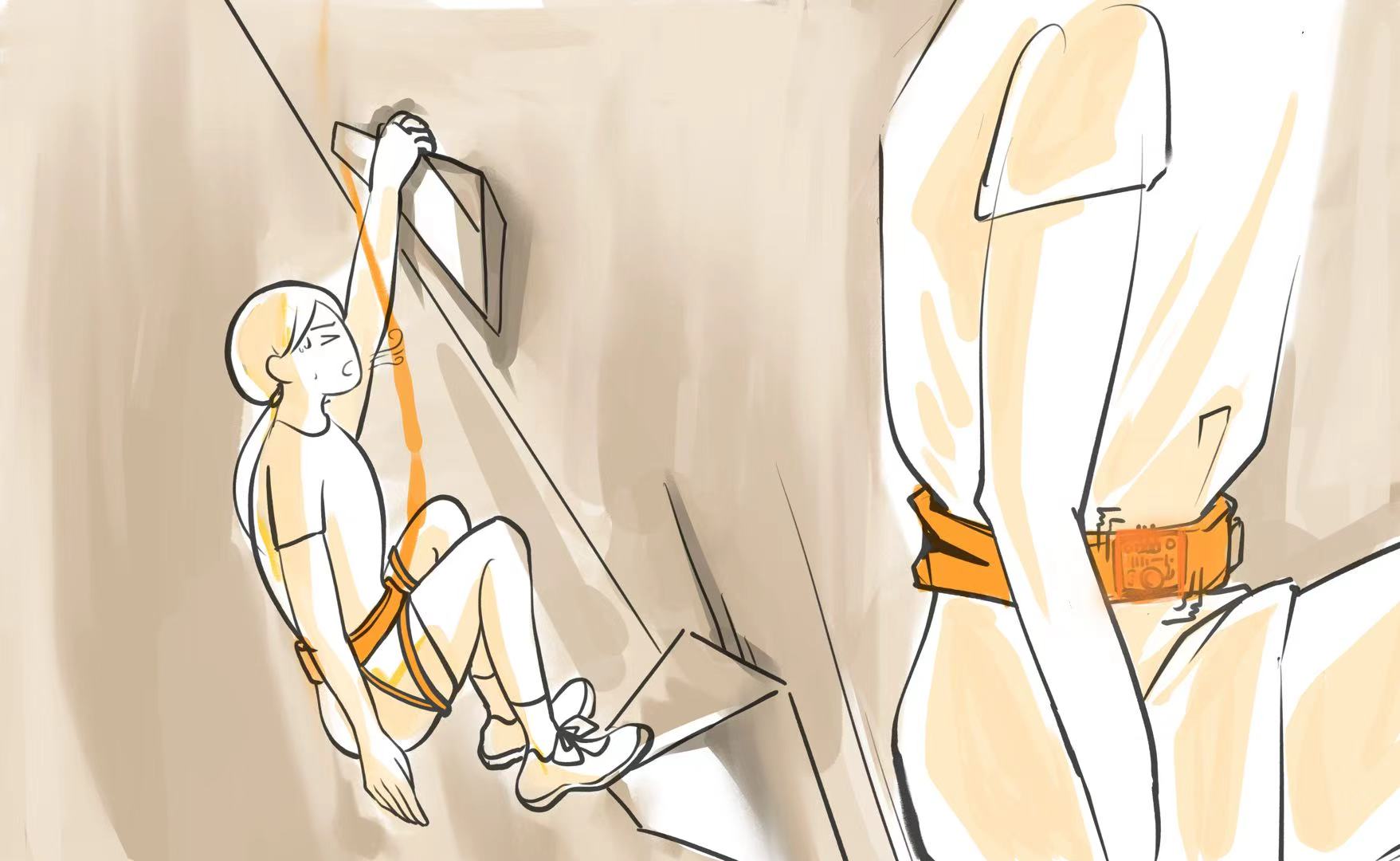
03-Fatigue
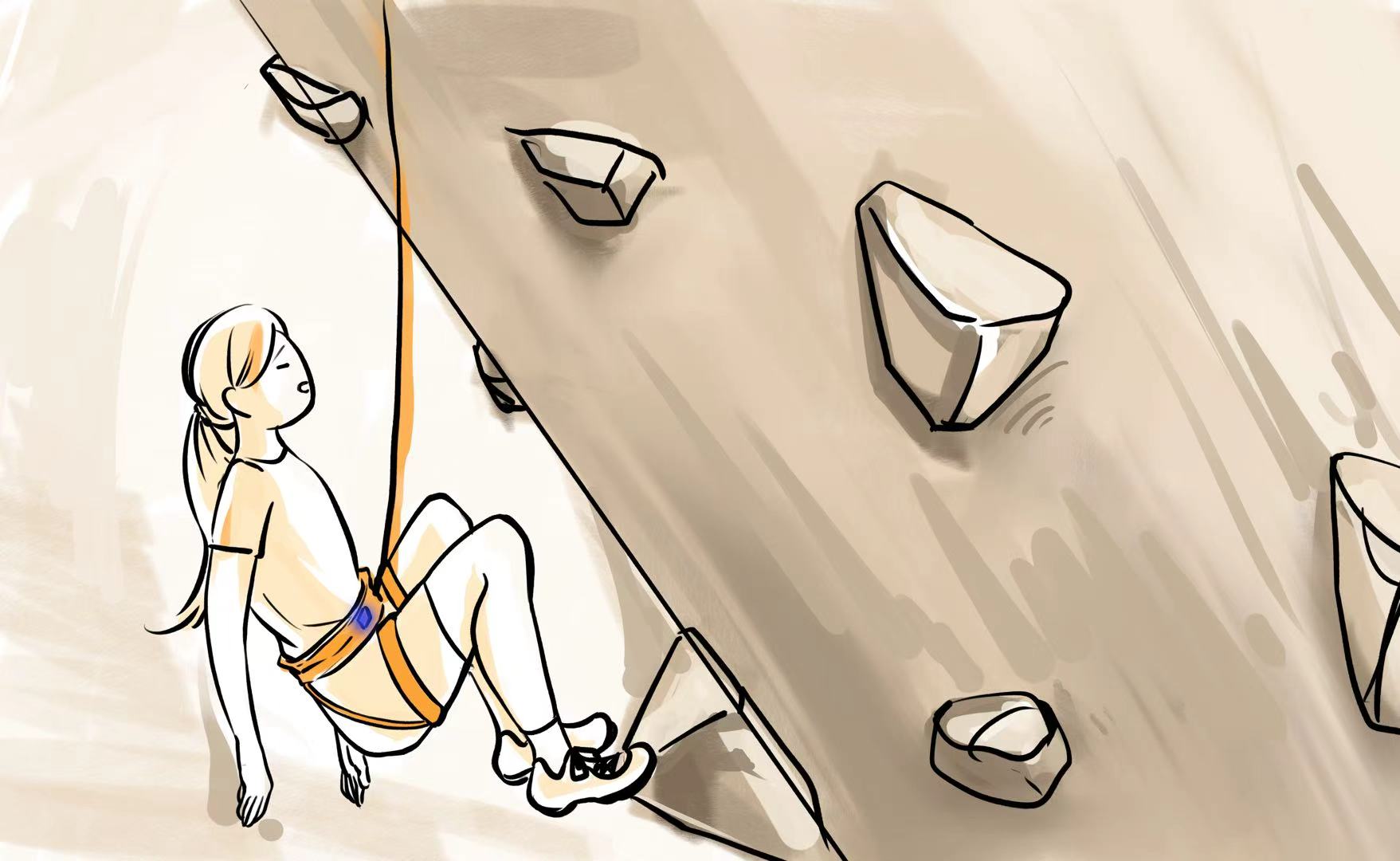
04-Recovery
05-Victory
06-Growth
“Okay… focus. Let’s make this climb better than the last time.”
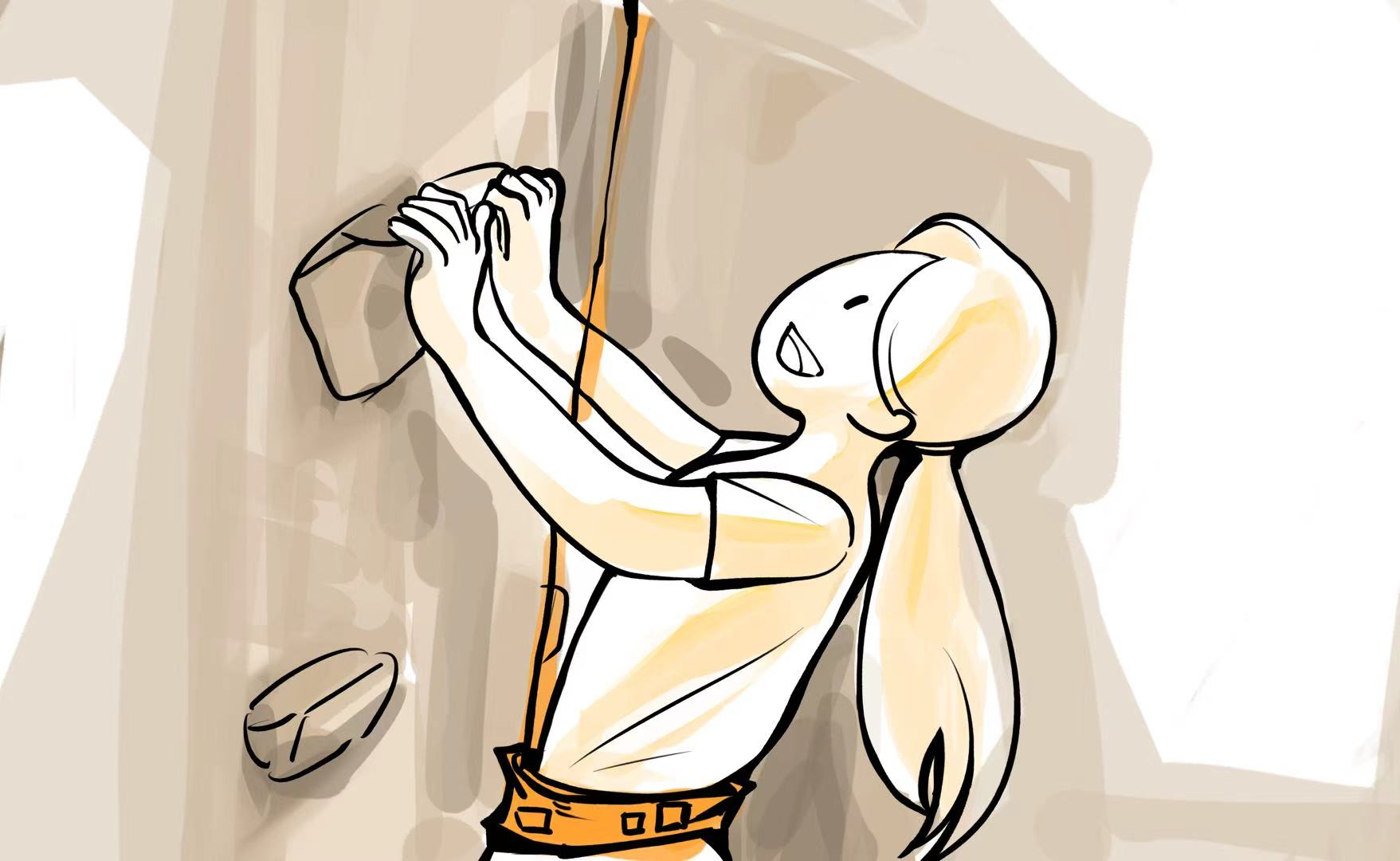
“OMG!! I did it… all the way up!!”
“Keep breathing. One move at a time.”
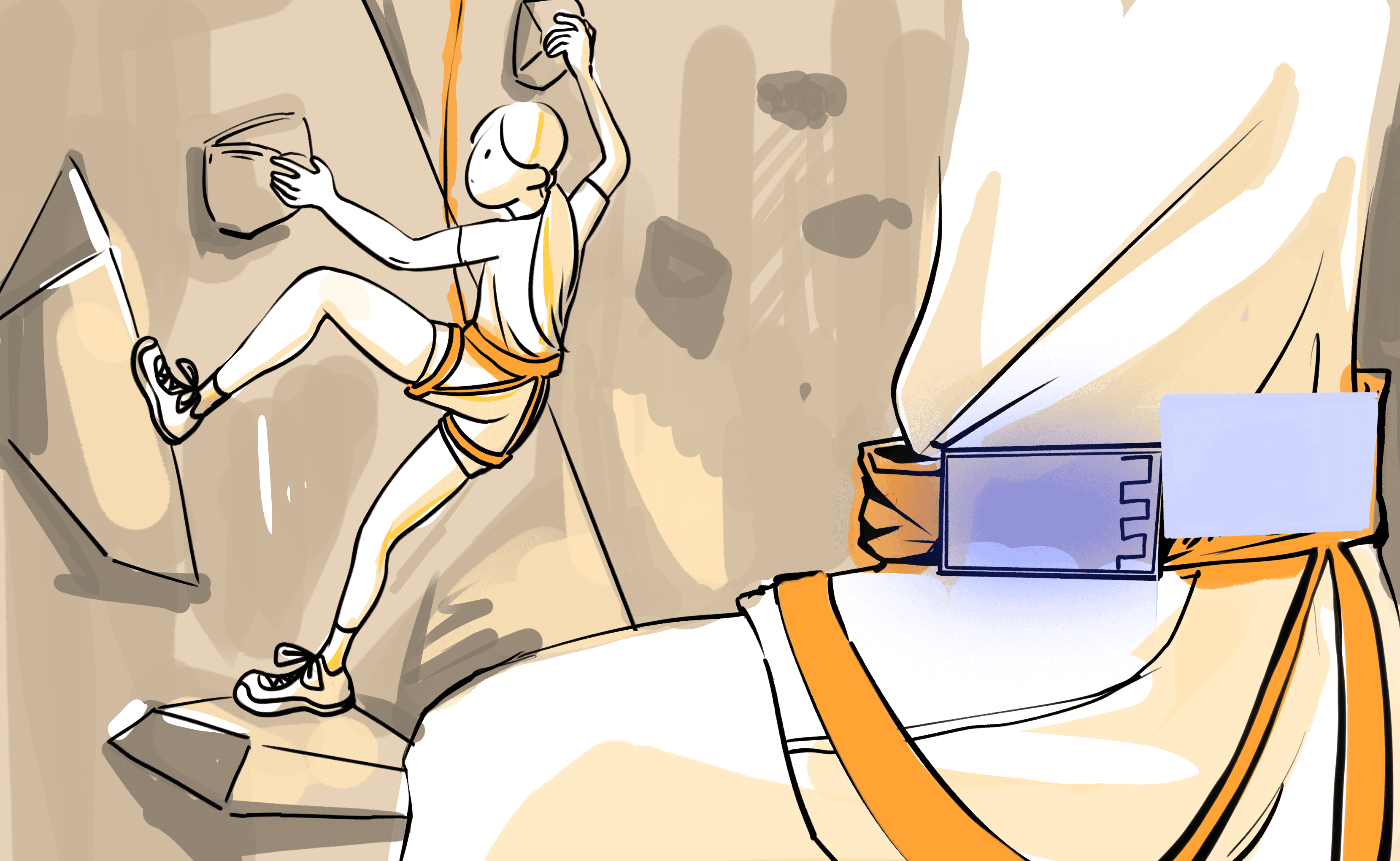
“Why I am feeling tired so fast?
Oh…it’s vibrating..I must be pushing too hard.”

“Wow! I lasted longer this time. I can actually see myself improving.”
Ivy ties her shoes and adjusts the smart harness. The device light blinks — this is the signal for ready to connect.
Ivy pauses to rest, leaning lightly against the wall. As her breathing steadies, the orange light fades back to calm blue.
Finally, Ivy
reaches the top. The sunlight
spills across her face as she smiles — exhausted but satisfied.
After climbing, ivy checks her performance data — heart rate, endurance, rhythm. Small improvements, but real progress.
Ivy takes the first step onto the climbing wall. The sensors start sync with her movement, recording every motion as she starts her ascent.
Halfway up, her muscles tense. The harness detects her rising heart rate and sends a gentle vibration — a reminder to
slow down.
“Alright. Slow down. Wait for the light to be
blue. Just breathe. I’ve got this.”
The bluetooth module is connected!
You are ready to go.
Z~Z~Z~Z~
Z~Z~Z~Z
Reflection
Throughout this project, I am happy to bring together my personal climbing experience with technology. As a climber, I deeply understand how exhausting climbs can lead to risks. While designing and testing this device, I hope to carry real meaning and truly help beginner climbers to pay attention to their bodies.
The entire process gave me so much growth. From wiring circuits, debugging code, to actual wear testing, every step was challenging but also rewarding. It allowed me to feel how beautifully technology and sport can merge together. This is not just about sensors and data—it’s about creating something that attaches to the body and responds to movement like a partner. I sincerely hope that in the future I can continue improving it, and make it into a tool that genuinely supports climbers on their journeys.
Future Improvement
Battery
A more reliable and stable battery that supports all sensors for extended use.

Signal Boost
Improve Bluetooth stability to ensure more smooth PC data transfer.

Protective Casing

Add a tough and lightweight cover to neatly secure wires and protect sensors.
Mobile APP
Develop an app for real-time feedback visualization and performance tracking.

Product Showcase
